
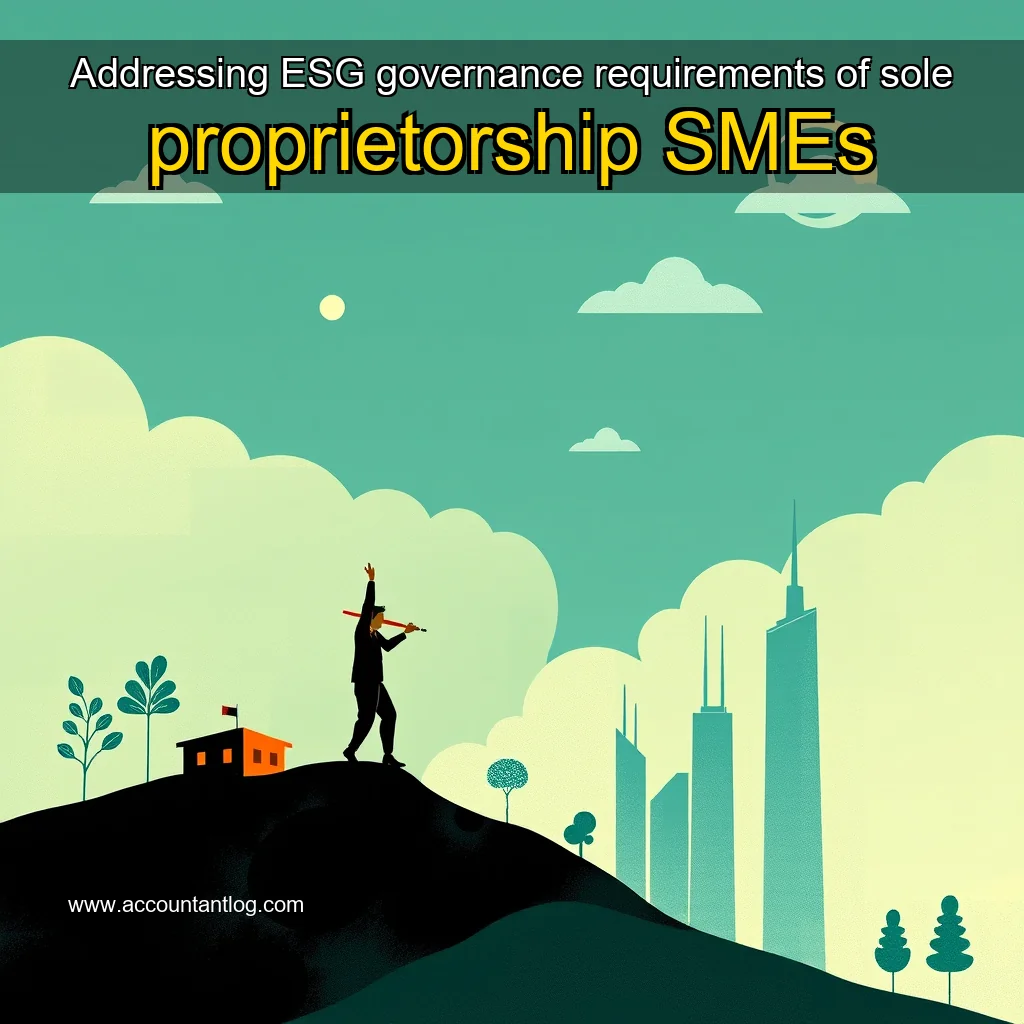
ESG principles are a set of guidelines that organizations can follow to ensure they are operating in a sustainable and responsible manner. These principles are based on the idea that businesses have a responsibility to not only generate profits but also to contribute to the well-being of society and the environment.
The Importance of ESG Principles
ESG principles are essential for businesses to operate in a way that is not only profitable but also sustainable and responsible. By following these principles, organizations can minimize their negative impact on the environment and society, and maximize their positive impact.
The Nigerian Stock Exchange (NSE) mandated listed companies to disclose their ESG activities annually by focusing on employee welfare, environmental protection, and accountability through transparent governance practices. Furthermore, the Financial Reporting Council of Nigeria (FRCN) has issued guidelines encouraging SMEs to adopt sustainable reporting. With these commitments, sole proprietorship SMEs will face the herculean task of meeting ESG governance requirements, particularly under the revised Companies and Allied Matters Act (CAMA,2020) which permits incorporation by a single director/shareholder. This raises concerns about governance oversight, strategic planning, and compliance for such businesses. Measures such as fostering transparent decision-making processes, establishing robust governance systems, conducting regular financial audits, ensuring regulatory compliance, and leveraging boutique ESG service providers will help to overcome this structural limitation. With these in place, sole proprietorship SMEs can align with ESG standards and practices, access critical funding opportunities, and position themselves for long-term sustainability and growth in the global marketplace.
Governance Structure Options for SMEs
As a sole proprietorship SME, the lack of a formal governance structure can lead to a lack of transparency and accountability. This can result in poor decision-making and a lack of clear lines of authority. To overcome this limitation, SMEs can consider the following governance structure options:
Benefits of Effective Governance
Effective governance is essential for SMEs to ensure transparency and accountability. The benefits of effective governance include:
They lack the necessary skills, knowledge, and resources to manage their finances effectively.
The Challenges of Managing Finances for Nigerian SMEs
Managing finances is a critical aspect of running a successful small business. However, many Nigerian SMEs face significant challenges in this area.
Compliance is key to maintaining a strong reputation and avoiding potential risks for SMEs.
The Importance of Compliance for SMEs
As a sole proprietorship Small to Medium-sized Enterprise (SME), ensuring compliance with relevant laws and regulations is crucial for maintaining a strong reputation and avoiding potential risks. Compliance validates the ethical practices of a firm, demonstrating its commitment to adhering to established standards and guidelines.
Why Compliance Matters
The Benefits of Compliance
Compliance not only benefits the business but also its owners and employees.
These firms offer customized solutions tailored to the specific needs of the SMEs.
Embracing ESG Practices for Sustainable Growth
As a sole proprietorship Small and Medium-sized Enterprise (SME), staying competitive and sustainable in today’s market requires embracing environmental, social, and governance (ESG) practices.
Anthony Michael Izuagie is an MBA student at Dillard College of Business Administration. You can contact him via [email protected] Views expressed by contributors are strictly personal and not of TheCable.