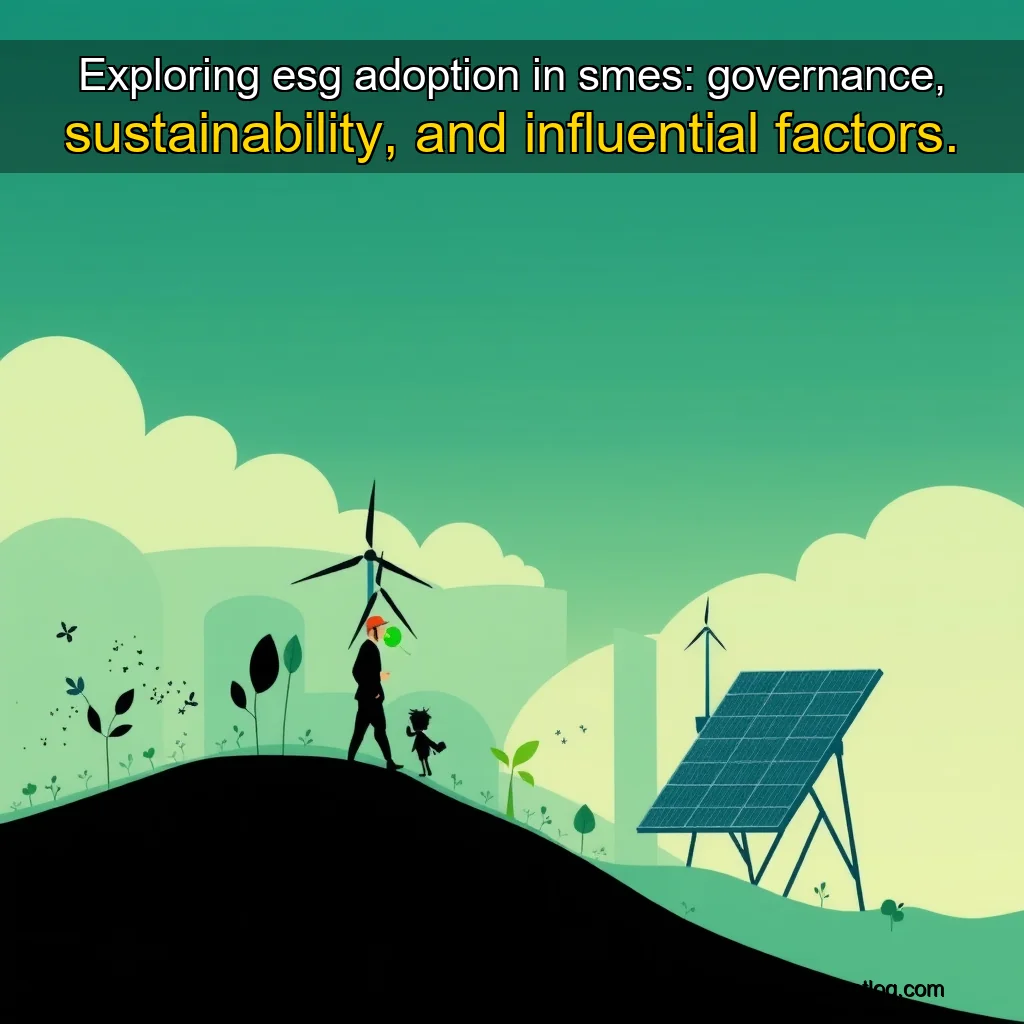
Integrating Environmental, Social, and Governance Factors into Investment Decisions for a More Sustainable Future.
The Rise of ESG Investing
ESG investing has become a significant trend in recent years, with many investors and financial institutions adopting these principles to guide their investment decisions. The core idea behind ESG investing is to integrate environmental, social, and governance factors into the investment process to minimize negative impacts and maximize positive outcomes.
Key Components of ESG Investing
The Nigerian government has also launched initiatives to promote sustainable development and environmental protection.
The Importance of ESG Reporting for SMEs in Nigeria
Why SMEs Need to Prioritize ESG Reporting
Small and Medium-sized Enterprises (SMEs) in Nigeria are increasingly being encouraged to adopt Environmental, Social, and Governance (ESG) reporting practices. This is not only a moral imperative but also a business necessity. The Nigerian Stock Exchange (NSE) has mandated listed companies to disclose their ESG activities annually, and the Financial Reporting Council of Nigeria (FRCN) has issued guidelines encouraging SMEs to adopt sustainable reporting.
Governance Structure for SMEs
Effective governance is crucial for SMEs to ensure they operate efficiently and make informed decisions. A well-structured governance mechanism is essential for SMEs to achieve their goals and objectives. However, many sole proprietorship SMEs struggle to conform to the governance requirement, which can lead to legal and financial consequences.
Key Components of Governance Structure
To overcome the limitation of sole proprietorship SMEs, it is essential to focus on the key components of a governance structure. These components include:
The Challenges of Running a Small Business in Nigeria
Running a small business in Nigeria can be a daunting task, especially for those who lack the necessary knowledge and resources. The country’s economy is characterized by a complex regulatory environment, limited access to finance, and a lack of infrastructure. These challenges can make it difficult for small businesses to operate efficiently and effectively.
Key Challenges Facing Nigerian SMEs
This can also help to build trust with stakeholders and enhance its reputation.
The Importance of Compliance for SMEs
As a small to medium-sized enterprise (SME), a sole proprietorship is often seen as a flexible and agile business model. However, this flexibility can sometimes be misinterpreted as a lack of structure or accountability. In reality, compliance is a critical aspect of any business, and SMEs, in particular, must prioritize it to ensure the long-term success and sustainability of their operations.
Why Compliance Matters
Compliance is not just a regulatory requirement; it is a moral and ethical imperative. By adhering to laws, regulations, and industry standards, businesses demonstrate their commitment to responsible and sustainable practices. This, in turn, enhances their reputation, builds trust with stakeholders, and fosters a positive business environment.
Key Benefits of Compliance
The Benefits of ESG Practices for SMEs
In today’s fast-paced and interconnected world, small and medium-sized enterprises (SMEs) face increasing pressure to adopt environmentally, socially, and governance (ESG) practices. While some may view ESG as a luxury or an added expense, the benefits of incorporating these practices into their operations are numerous and far-reaching.
Why SMEs Need to Prioritize ESG
The Rise of the Graduate Student
In recent years, the role of the graduate student has undergone significant changes. Gone are the days when graduate students were seen as mere assistants or research assistants. Today, graduate students are recognized as experts in their field, contributing to research, teaching, and industry.
The Changing Perception of Graduate Students
The perception of graduate students has shifted from being seen as mere assistants to being recognized as experts in their field.

News is a contributor at Accountant Log. We are committed to providing well-researched, accurate, and valuable content to our readers.