Accountant Log
The Journal

Pay Based on Performance
Pay for performance is a natural for startups because it’s hard to define people’s roles when the company is small. Some people will end up doing different jobs every week. How do you set their salaries? The conventional wisdom has been that you can’t. And it’s true that, in the short term, you can’t. You […]

The Ultimate Guide to Accounts Payable
Linking accounts payable to purchasing is a significant step in creating an accurate, reliable and efficient accounts payable process. Although the accounting journal entry to record the expense of an item is recorded in accounts payable, that journal entry is not linked to the expense until the vendor invoice is processed. With this practice, you […]

Keep the Right Information Moving in the Right Direction
An implication of the flow principle is that you are always better off moving information in the direction of your net flow, even when that means reversing the direction of your flow. As an example, suppose you are a new business with no money, sitting at home making something you can sell on eBay. If […]

Why a Credit in Journal Entry Recorded in One Account Has to Be Offset by a Debit in Another Account.
A credit in one account has to be offset by a debit in another account. A double-entry bookkeeping system is a set of rules for keeping track of debits and credits in a set of accounts. The system makes it possible to know at any moment how much money you have, and also how much […]

How Reserves Allow Firms to Avoid Drawing Down on their Own Capital
We set up our accounting system to match the way we like to think about financial capital. We like to think of capital as a big stockpile, something that firms start with and draw down during the course of their operations. But in fact it doesn’t work that way. Or at least, not all the […]

How Monthly Closing Work in Quickbooks
We have a general ledger account called “Accounts Payable.” This account holds all the money we owe to vendors who have not yet been paid. Our accountant likes to see a zero balance in our “Accounts Payable” account at the end of every month. In Quickbooks, there is a command to automatically transfer all outstanding […]
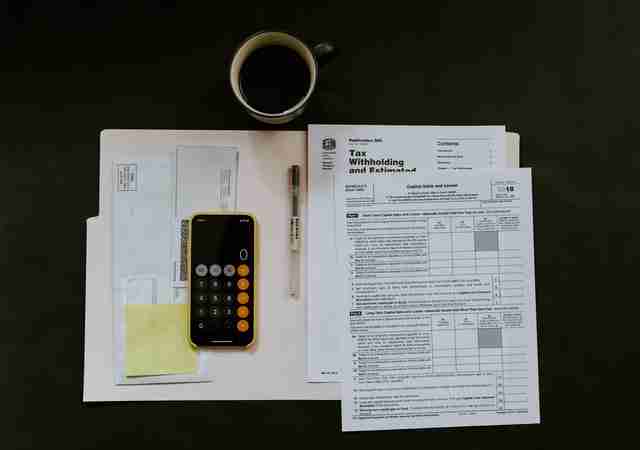
Different ledger accounts and their purposes
A common way to set up a ledger is to have different accounts, each with its own balance. Typical accounts are Cash, Accounts Receivable, Inventory, Prepaid Expenses, Accounts Payable, and Equity. These ledger accounts are not the same thing as the income statement categories of Cash, Accounts Receivable, Inventory, and so on. The income statement […]

Pay yourself before anyone else gets the money
So here is the rule: pay yourself before anyone else gets the money. And what does that mean? Well, if you are self-employed, it means putting aside some of what you bring in for taxes and retirement savings, so that you can spend the rest on your living expenses. If you aren’t self-employed but have […]
How to Pick a Good Accountant
An accountant can work as a financial adviser for your firm by handling a substantial percentage of its financial planning and records. Having an accountant is important since they may manage your bookkeeping as well as tax planning and the drafting of financial documents such as tax returns. An accountant can also help you identify […]
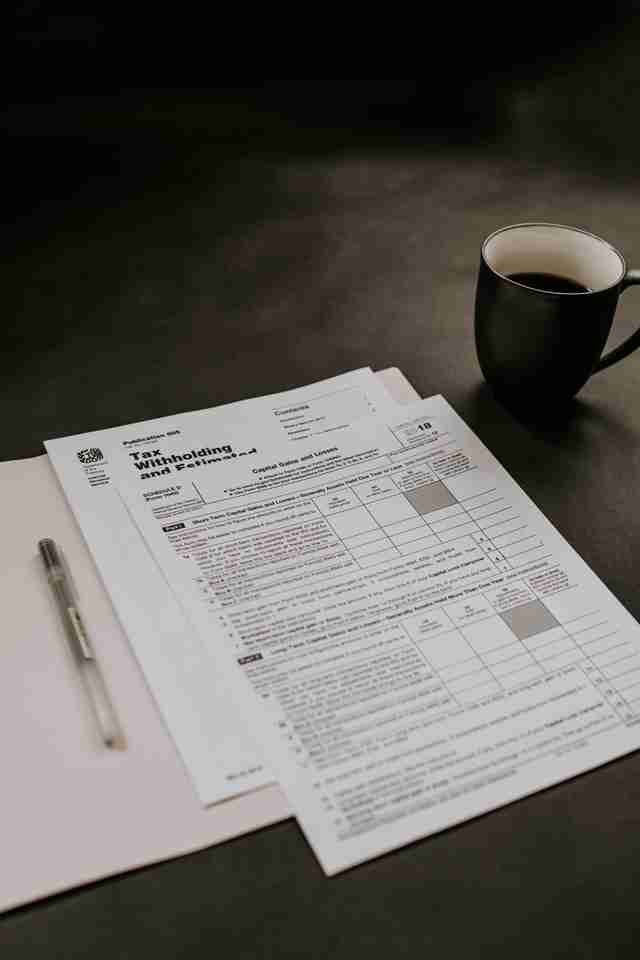
Examples of Nominal Accounts
Introduction of Nominal Accounts: Nominal Accounts are those accounts that are related to income or expenses, gain or loss. Nominal Accounts reflect in the Profit loss Account/Income Statement, for example, is rent expenses, Sale account, Discount Received account, Purchase account, etc. The ultimate effect of the nominal account is transferred into the Capital account. One […]

Why you should have an Accountant
If you have a business — even a very small business — or if you have investments, you should have an accountant. It’s not just about taxes. Every year, the accountant will help you figure out your net worth. If you started as a teenager and now you’re middle-aged, just crunching those numbers will give […]

What do you want to be when you grow up?
There is a well-known problem facing parents and children that at first seems quite unlike this one, but upon closer examination is really just a different version of it. It is the problem of what to do with your life. Your child asks you, “What do you want me to be when I grow up?” […]