The Ultimate Guide to Modern Expense Management in Professional Accounting
In today’s fast-paced business environment, effective expense management has become an essential function for professional accountants and financial managers. As organizations seek greater efficiency and transparency in their operations, modern tools have emerged that transform how expenses are tracked, categorized, and reported.
This guide explores innovative approaches to managing corporate expenditures while ensuring compliance with evolving regulations and internal policies. By leveraging technology-driven solutions, accounting professionals can significantly enhance accuracy and reduce manual processing errors across various departments.
Fundamental Principles of Effective Expense Management
At its core, expense management involves tracking every financial transaction related to company spending. This includes both routine operational costs and occasional travel-related expenses incurred by employees.
A well-structured system ensures that each expenditure is properly documented with supporting receipts and approval documentation. These records serve as critical evidence during audits or when verifying tax deductions.
Modern systems automate many aspects of this process through digital categorization techniques that identify patterns in spending behavior over time.
By implementing clear reimbursement guidelines upfront, companies minimize disputes between employees and finance teams regarding what constitutes an allowable expense.
Three key principles define successful expense management:
- Accuracy: Ensuring that all recorded transactions match actual financial outflows precisely.
- Timeliness: Processing claims within established deadlines to maintain cash flow integrity.
- Compliance: Adhering strictly to legal requirements governing acceptable types of expenses.
Leveraging Technology for Enhanced Efficiency
Digital transformation has revolutionized traditional expense management practices through intelligent software platforms designed specifically for financial professionals.
These applications offer real-time visibility into spending trends across different departments or cost centers within an organization. They also enable automated approvals based on pre-defined parameters set by department heads.
Cloud-based solutions provide secure access from anywhere at any time while maintaining strict data encryption protocols necessary for protecting sensitive information.
Artificial intelligence features help detect anomalies such as duplicate invoices or potential fraud attempts before they escalate into significant issues.
Integration capabilities allow seamless synchronization with existing ERP systems like SAP or Oracle NetSuite without disrupting current workflows.
Automated Approval Workflows: Streamlining Financial Processes
Manual approval processes often lead to bottlenecks that delay reimbursements unnecessarily. Smart automation eliminates these inefficiencies through predefined routing rules.
When an employee submits an expense report, the system automatically forwards it according to organizational hierarchy settings rather than requiring manual intervention.
This approach reduces administrative workload for finance staff who would otherwise spend hours reviewing individual requests manually.
Real-time notifications ensure approvers receive alerts promptly so decisions can be made quickly without delaying payments indefinitely.
Customizable approval matrices allow different levels of authorization depending on expense amount thresholds or departmental policies.
Integrating Real-Time Reporting Capabilities
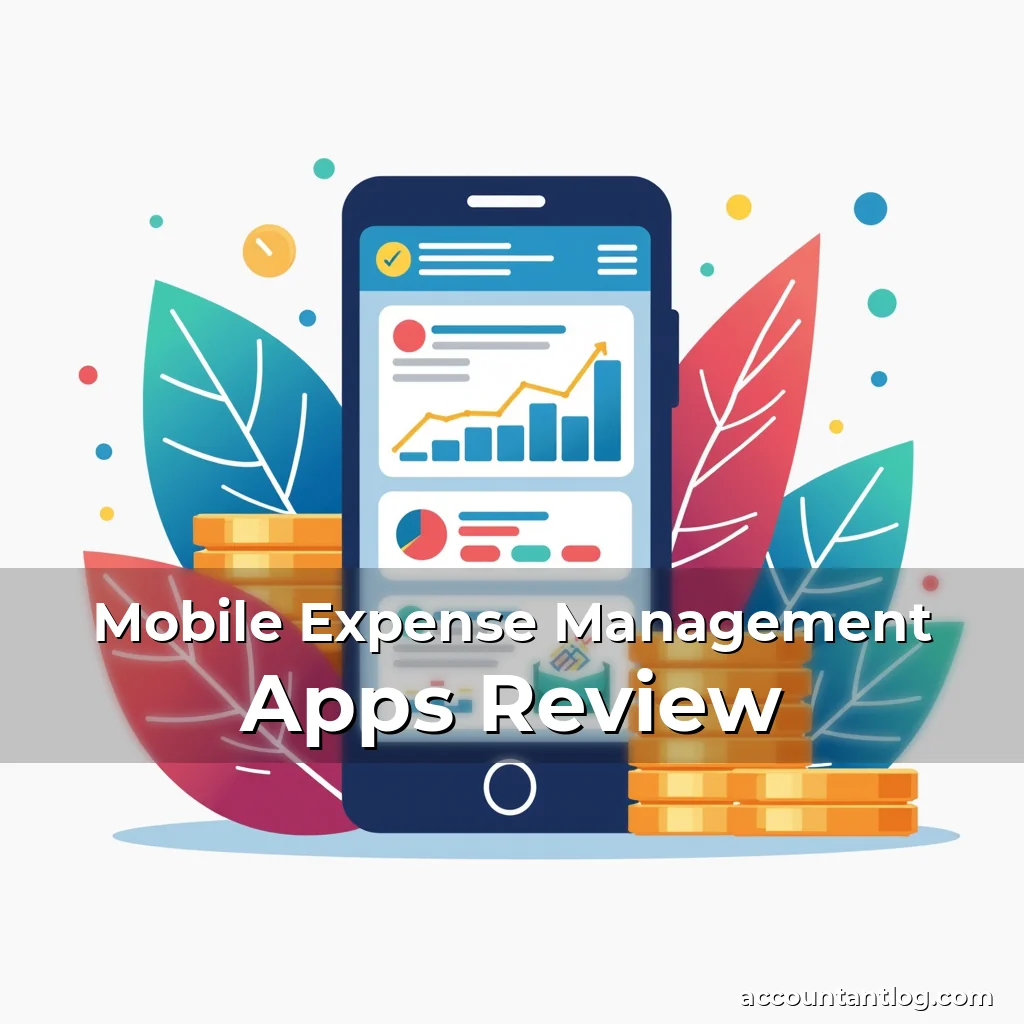
Modern expense management platforms provide powerful analytics dashboards showing spending patterns in real-time. These visual representations make identifying trends much easier than sifting through spreadsheets.
Managers gain instant access to crucial metrics such as average daily expenses per team member or total monthly overheads categorized by type.
Data visualization tools include interactive charts and graphs that highlight areas where cost-saving measures might be implemented effectively.
Predictive analytics models forecast future expenditure needs based on historical data and upcoming projects scheduled within the organization.
Built-in reporting functions generate customizable templates suitable for board meetings, investor presentations, or regulatory filings.
Ensuring Compliance Through Intelligent Controls
Maintaining regulatory compliance requires constant vigilance against changing laws affecting corporate spending. Advanced systems embed compliance checks directly into workflow procedures.
Predefined policy engines prevent submission of non-compliant items by flagging them instantly upon entry into the system. This proactive measure avoids costly corrections later in the audit cycle.
Machine learning algorithms continuously update compliance databases to reflect new legislation being enacted globally or locally relevant jurisdictions.
Certification trails created during each stage of the approval process provide complete auditability required under SOX standards or other governance frameworks.
Regular compliance audits conducted within the platform itself ensure ongoing adherence to internal controls and external mandates simultaneously.
Safeguarding Sensitive Data with Robust Security Measures
With increased digitization comes heightened responsibility toward data protection. Reputable expense management platforms prioritize cybersecurity above all else.
End-to-end encryption secures data transmission channels preventing unauthorized interception during transit between devices or servers.
Multi-factor authentication adds another layer of security beyond simple password verification methods commonly used elsewhere online.
Rigorous role-based access controls limit viewing privileges appropriately among users based on job responsibilities assigned within the organization.
Disaster recovery plans guarantee continuous operation even during unexpected events like natural disasters or cyberattacks targeting infrastructure components.
Empowering Employees with User-Friendly Interfaces
Successful implementation depends heavily on user adoption rates among employees submitting regular expense reports. Intuitive design plays a pivotal role here.
Simple drag-and-drop functionality allows quick upload of receipt images captured via smartphones without needing specialized scanning equipment.
Smart recognition technologies automatically extract relevant information from scanned documents reducing manual data input efforts substantially.
Personalized dashboards display each employee’s outstanding balances and pending approvals clearly visible at first glance.
Mobile accessibility enables convenient submissions anytime anywhere using either iOS or Android devices without compromising data integrity concerns.
Evaluating Cost-Benefit Ratios Across Platforms
Selecting the right solution demands careful evaluation considering long-term benefits versus initial investment costs involved. Various pricing structures exist catering to diverse organizational sizes.
Subscription-based models typically charge fees based on number of active users accessing the system regularly rather than fixed annual charges regardless of usage volume.
Some providers offer tiered packages allowing gradual scaling up as businesses grow organically over time periods measured quarterly instead of yearly cycles.
Hidden costs associated with implementation including training programs or integration services must be factored into overall budget calculations accurately.
ROI analysis comparing projected savings from reduced errors against subscription fees helps determine optimal timing for platform migration initiatives.
Case Studies Demonstrating Practical Applications
Leading multinational corporations have successfully implemented advanced expense management systems resulting in measurable improvements across several performance indicators.
One Fortune 500 company achieved 40% reduction in processing times after migrating from paper-based systems to cloud-native solutions incorporating AI-powered anomaly detection mechanisms.
An international consulting firm saw improvement in compliance rates reaching nearly 98% following introduction of automated policy enforcement modules embedded within their chosen platform.
Small startups benefited greatly from scalable mobile-first architectures enabling rapid deployment without substantial IT infrastructure investments initially.
Across industries ranging from healthcare to manufacturing consistent themes emerge highlighting importance of usability combined with robust analytical capabilities.
Future Trends Shaping Tomorrow’s Expense Management Systems
Emerging technologies promise further enhancements transforming how we manage corporate finances going forward. Blockchain offers immutable record keeping potentially enhancing audit trails significantly.
Internet of Things (IoT) sensors integrated into office environments could automatically log utility consumption providing granular control over indirect costs previously difficult to track effectively.
Voice command interfaces may soon replace keyboard inputs entirely making data entry faster less error-prone especially beneficial for field workers capturing expenses on-the-go.
Augmented reality overlays might assist travelers in estimating appropriate meal allowances visually comparing local prices against approved benchmarks dynamically adjusting budgets accordingly.
Continued advancements in predictive modeling will likely result in self-adjusting budgets capable of anticipating fluctuations proactively rather than reacting retroactively post-factum.
Conclusion
Effective expense management remains vital component ensuring sustainable growth through optimized resource allocation strategies aligned with strategic objectives defined by leadership teams.
Adopting cutting-edge technological innovations empowers finance professionals achieve higher degrees of precision reliability while fostering stronger relationships across entire organizations.
As digital maturity continues progressing steadily forward staying informed about latest developments becomes increasingly important factor determining competitive advantage available to those embracing change proactively.
Ultimately success hinges not only choosing correct tools but cultivating culture emphasizing accountability transparency throughout enterprise ecosystem starting from grassroots level upward.
“`
The Ultimate Guide to Modern Expense Management in Professional Accounting
In today’s fast-paced business environment, effective expense management has become an essential function for professional accountants and financial managers. As organizations seek greater efficiency and transparency in their operations, modern tools have emerged that transform how expenses are tracked, categorized, and reported.
This guide explores innovative approaches to managing corporate expenditures while ensuring compliance with evolving regulations and internal policies. By leveraging technology-driven solutions, accounting professionals can significantly enhance accuracy and reduce manual processing errors across various departments.
Fundamental Principles of Effective Expense Management
At its core, expense management involves tracking every financial transaction related to company spending. This includes both routine operational costs and occasional travel-related expenses incurred by employees.
A well-structured system ensures that each expenditure is properly documented with supporting receipts and approval documentation. These records serve as critical evidence during audits or when verifying tax deductions.
Modern systems automate many aspects of this process through digital categorization techniques that identify patterns in spending behavior over time.
By implementing clear reimbursement guidelines upfront, companies minimize disputes between employees and finance teams regarding what constitutes an allowable expense.
Three key principles define successful expense management:
- Accuracy: Ensuring that all recorded transactions match actual financial outflows precisely.
- Timeliness: Processing claims within established deadlines to maintain cash flow integrity.
- Compliance: Adhering strictly to legal requirements governing acceptable types of expenses.
Leveraging Technology for Enhanced Efficiency
Digital transformation has revolutionized traditional expense management practices through intelligent software platforms designed specifically for financial professionals.
These applications offer real-time visibility into spending trends across different departments or cost centers within an organization. They also enable automated approvals based on pre-defined parameters set by department heads.
Cloud-based solutions provide secure access from anywhere at any time while maintaining strict data encryption protocols necessary for protecting sensitive information.
Artificial intelligence features help detect anomalies such as duplicate invoices or potential fraud attempts before they escalate into significant issues.
Integration capabilities allow seamless synchronization with existing ERP systems like SAP or Oracle NetSuite without disrupting current workflows.
Automated Approval Workflows: Streamlining Financial Processes
Manual approval processes often lead to bottlenecks that delay reimbursements unnecessarily. Smart automation eliminates these inefficiencies through predefined routing rules.
When an employee submits an expense report, the system automatically forwards it according to organizational hierarchy settings rather than requiring manual intervention.
This approach reduces administrative workload for finance staff who would otherwise spend hours reviewing individual requests manually.
Real-time notifications ensure approvers receive alerts promptly so decisions can be made quickly without delaying payments indefinitely.
Customizable approval matrices allow different levels of authorization depending on expense amount thresholds or departmental policies.
Integrating Real-Time Reporting Capabilities
Modern expense management platforms provide powerful analytics dashboards showing spending patterns in real-time. These visual representations make identifying trends much easier than sifting through spreadsheets.
Managers gain instant access to crucial metrics such as average daily expenses per team member or total monthly overheads categorized by type.
Data visualization tools include interactive charts and graphs that highlight areas where cost-saving measures might be implemented effectively.
Predictive analytics models forecast future expenditure needs based on historical data and upcoming projects scheduled within the organization.
Built-in reporting functions generate customizable templates suitable for board meetings, investor presentations, or regulatory filings.
Ensuring Compliance Through Intelligent Controls
Maintaining regulatory compliance requires constant vigilance against changing laws affecting corporate spending. Advanced systems embed compliance checks directly into workflow procedures.
Predefined policy engines prevent submission of non-compliant items by flagging them instantly upon entry into the system. This proactive measure avoids costly corrections later in the audit cycle.
Machine learning algorithms continuously update compliance databases to reflect new legislation being enacted globally or locally relevant jurisdictions.
Certification trails created during each stage of the approval process provide complete auditability required under SOX standards or other governance frameworks.
Regular compliance audits conducted within the platform itself ensure ongoing adherence to internal controls and external mandates simultaneously.
Safeguarding Sensitive Data with Robust Security Measures
With increased digitization comes heightened responsibility toward data protection. Reputable expense management platforms prioritize cybersecurity above all else.
End-to-end encryption secures data transmission channels preventing unauthorized interception during transit between devices or servers.
Multi-factor authentication adds another layer of security beyond simple password verification methods commonly used elsewhere online.
Rigorous role-based access controls limit viewing privileges appropriately among users based on job responsibilities assigned within the organization.
Disaster recovery plans guarantee continuous operation even during unexpected events like natural disasters or cyberattacks targeting infrastructure components.
Empowering Employees with User-Friendly Interfaces
Successful implementation depends heavily on user adoption rates among employees submitting regular expense reports. Intuitive design plays a pivotal role here.
Simple drag-and-drop functionality allows quick upload of receipt images captured via smartphones without needing specialized scanning equipment.
Smart recognition technologies automatically extract relevant information from scanned documents reducing manual data input efforts substantially.
Personalized dashboards display each employee’s outstanding balances and pending approvals clearly visible at first glance.
Mobile accessibility enables convenient submissions anytime anywhere using either iOS or Android devices without compromising data integrity concerns.
Evaluating Cost-Benefit Ratios Across Platforms
Selecting the right solution demands careful evaluation considering long-term benefits versus initial investment costs involved. Various pricing structures exist catering to diverse organizational sizes.
Subscription-based models typically charge fees based on number of active users accessing the system regularly rather than fixed annual charges regardless of usage volume.
Some providers offer tiered packages allowing gradual scaling up as businesses grow organically over time periods measured quarterly instead of yearly cycles.
Hidden costs associated with implementation including training programs or integration services must be factored into overall budget calculations accurately.
ROI analysis comparing projected savings from reduced errors against subscription fees helps determine optimal timing for platform migration initiatives.
Case Studies Demonstrating Practical Applications
Leading multinational corporations have successfully implemented advanced expense management systems resulting in measurable improvements across several performance indicators.
One Fortune 500 company achieved 40% reduction in processing times after migrating from paper-based systems to cloud-native solutions incorporating AI-powered anomaly detection mechanisms.
An international consulting firm saw improvement in compliance rates reaching nearly 98% following introduction of automated policy enforcement modules embedded within their chosen platform.
Small startups benefited greatly from scalable mobile-first architectures enabling rapid deployment without substantial IT infrastructure investments initially.
Across industries ranging from healthcare to manufacturing consistent themes emerge highlighting importance of usability combined with robust analytical capabilities.
Future Trends Shaping Tomorrow’s Expense Management Systems
Emerging technologies promise further enhancements transforming how we manage corporate finances going forward. Blockchain offers immutable record keeping potentially enhancing audit trails significantly.
Internet of Things (IoT) sensors integrated into office environments could automatically log utility consumption providing granular control over indirect costs previously difficult to track effectively.
Voice command interfaces may soon replace keyboard inputs entirely making data entry faster less error-prone especially beneficial for field workers capturing expenses on-the-go.
Augmented reality overlays might assist travelers in estimating appropriate meal allowances visually comparing local prices against approved benchmarks dynamically adjusting budgets accordingly.
Continued advancements in predictive modeling will likely result in self-adjusting budgets capable of anticipating fluctuations proactively rather than reacting retroactively post-factum.
Conclusion
Effective expense management remains vital component ensuring sustainable growth through optimized resource allocation strategies aligned with strategic objectives defined by leadership teams.
Adopting cutting-edge technological innovations empowers finance professionals achieve higher degrees of precision reliability while fostering stronger relationships across entire organizations.
As digital maturity continues progressing steadily forward staying informed about latest developments becomes increasingly important factor determining competitive advantage available to those embracing change proactively.
Ultimately success hinges not only choosing correct tools but cultivating culture emphasizing accountability transparency throughout enterprise ecosystem starting from grassroots level upward.
“`
The Ultimate Guide to Modern Expense Management in Professional Accounting
In today’s fast-paced business environment, effective expense management has become an essential function for professional accountants and financial managers. As organizations seek greater efficiency and transparency in their operations, modern tools have emerged that transform how expenses are tracked, categorized, and reported.
This guide explores innovative approaches to managing corporate expenditures while ensuring compliance with evolving regulations and internal policies. By leveraging technology-driven solutions, accounting professionals can significantly enhance accuracy and reduce manual processing errors across various departments.
Fundamental Principles of Effective Expense Management
At its core, expense management involves tracking every financial transaction related to company spending. This includes both routine operational costs and occasional travel-related expenses incurred by employees.
A well-structured system ensures that each expenditure is properly documented with supporting receipts and approval documentation. These records serve as critical evidence during audits or when verifying tax deductions.
Modern systems automate many aspects of this process through digital categorization techniques that identify patterns in spending behavior over time.
By implementing clear reimbursement guidelines upfront, companies minimize disputes between employees and finance teams regarding what constitutes an allowable expense.
Three key principles define successful expense management:
- Accuracy: Ensuring that all recorded transactions match actual financial outflows precisely.
- Timeliness: Processing claims within established deadlines to maintain cash flow integrity.
- Compliance: Adhering strictly to legal requirements governing acceptable types of expenses.
Leveraging Technology for Enhanced Efficiency
Digital transformation has revolutionized traditional expense management practices through intelligent software platforms designed specifically for financial professionals.
These applications offer real-time visibility into spending trends across different departments or cost centers within an organization. They also enable automated approvals based on pre-defined parameters set by department heads.
Cloud-based solutions provide secure access from anywhere at any time while maintaining strict data encryption protocols necessary for protecting sensitive information.
Artificial intelligence features help detect anomalies such as duplicate invoices or potential fraud attempts before they escalate into significant issues.
Integration capabilities allow seamless synchronization with existing ERP systems like SAP or Oracle NetSuite without disrupting current workflows.
Automated Approval Workflows: Streamlining Financial Processes
Manual approval processes often lead to bottlenecks that delay reimbursements unnecessarily. Smart automation eliminates these inefficiencies through predefined routing rules.
When an employee submits an expense report, the system automatically forwards it according to organizational hierarchy settings rather than requiring manual intervention.
This approach reduces administrative workload for finance staff who would otherwise spend hours reviewing individual requests manually.
Real-time notifications ensure approvers receive alerts promptly so decisions can be made quickly without delaying payments indefinitely.
Customizable approval matrices allow different levels of authorization depending on expense amount thresholds or departmental policies.
Integrating Real-Time Reporting Capabilities
Modern expense management platforms provide powerful analytics dashboards showing spending patterns in real-time. These visual representations make identifying trends much easier than sifting through spreadsheets.
Managers gain instant access to crucial metrics such as average daily expenses per team member or total monthly overheads categorized by type.
Data visualization tools include interactive charts and graphs that highlight areas where cost-saving measures might be implemented effectively.
Predictive analytics models forecast future expenditure needs based on historical data and upcoming projects scheduled within the organization.
Built-in reporting functions generate customizable templates suitable for board meetings, investor presentations, or regulatory filings.
Ensuring Compliance Through Intelligent Controls
Maintaining regulatory compliance requires constant vigilance against changing laws affecting corporate spending. Advanced systems embed compliance checks directly into workflow procedures.
Predefined policy engines prevent submission of non-compliant items by flagging them instantly upon entry into the system. This proactive measure avoids costly corrections later in the audit cycle.
Machine learning algorithms continuously update compliance databases to reflect new legislation being enacted globally or locally relevant jurisdictions.
Certification trails created during each stage of the approval process provide complete auditability required under SOX standards or other governance frameworks.
Regular compliance audits conducted within the platform itself ensure ongoing adherence to internal controls and external mandates simultaneously.
Safeguarding Sensitive Data with Robust Security Measures
With increased digitization comes heightened responsibility toward data protection. Reputable expense management platforms prioritize cybersecurity above all else.
End-to-end encryption secures data transmission channels preventing unauthorized interception during transit between devices or servers.
Multi-factor authentication adds another layer of security beyond simple password verification methods commonly used elsewhere online.
Rigorous role-based access controls limit viewing privileges appropriately among users based on job responsibilities assigned within the organization.
Disaster recovery plans guarantee continuous operation even during unexpected events like natural disasters or cyberattacks targeting infrastructure components.
Empowering Employees with User-Friendly Interfaces
Successful implementation depends heavily on user adoption rates among employees submitting regular expense reports. Intuitive design plays a pivotal role here.
Simple drag-and-drop functionality allows quick upload of receipt images captured via smartphones without needing specialized scanning equipment.
Smart recognition technologies automatically extract relevant information from scanned documents reducing manual data input efforts substantially.
Personalized dashboards display each employee’s outstanding balances and pending approvals clearly visible at first glance.
Mobile accessibility enables convenient submissions anytime anywhere using either iOS or Android devices without compromising data integrity concerns.
Evaluating Cost-Benefit Ratios Across Platforms
Selecting the right solution demands careful evaluation considering long-term benefits versus initial investment costs involved. Various pricing structures exist catering to diverse organizational sizes.
Subscription-based models typically charge fees based on number of active users accessing the system regularly rather than fixed annual charges regardless of usage volume.
Some providers offer tiered packages allowing gradual scaling up as businesses grow organically over time periods measured quarterly instead of yearly cycles.
Hidden costs associated with implementation including training programs or integration services must be factored into

News is a contributor at Accountant Log. We are committed to providing well-researched, accurate, and valuable content to our readers.