The Evolution and Impact of Tax Compliance in Modern Accounting Practices
Tax compliance has become an essential aspect of modern business operations, particularly as regulatory frameworks grow increasingly complex across jurisdictions. For accountants and financial professionals, ensuring adherence to tax laws is not merely a legal obligation but also a critical factor influencing organizational reputation and long-term stability.
In today’s dynamic economic environment, the challenges associated with tax compliance have evolved significantly. Accountants now face multifaceted demands that include navigating intricate international regulations, leveraging technology for efficiency, and maintaining transparent reporting practices to meet stakeholder expectations.
The Fundamentals of Tax Compliance
Tax compliance refers to the process by which individuals, businesses, and organizations adhere to tax-related rules and regulations imposed by government authorities. This encompasses accurate income reporting, timely submission of tax returns, and payment of required taxes within prescribed deadlines.
Failing to maintain proper tax compliance can result in severe consequences such as fines, penalties, audits, or even criminal charges. These repercussions underscore the importance of establishing robust internal controls and procedures designed to prevent errors and ensure accuracy in financial records.
A core component of effective tax compliance involves understanding jurisdiction-specific requirements. Different countries and regions impose varying levels of taxation based on factors including residency status, type of entity, nature of activities conducted, and applicable exemptions available under local legislation.
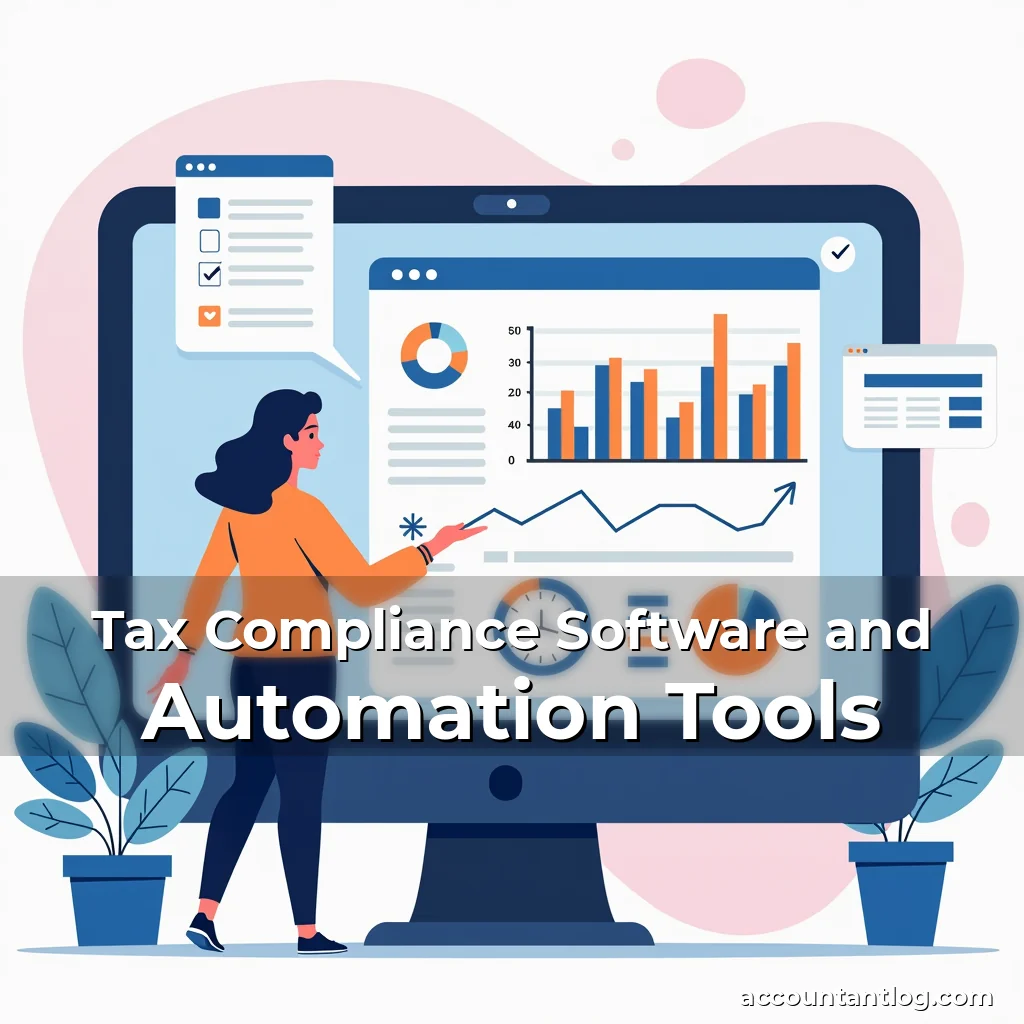
To achieve seamless tax compliance, accountants often rely on specialized software solutions capable of automating routine tasks while providing real-time monitoring capabilities. Such tools help identify potential discrepancies before they escalate into larger issues requiring manual intervention.
- Data Accuracy: Ensuring precise data entry is fundamental to preventing misstatements that could lead to incorrect calculations during assessments or reviews.
- Deadlines Management: Keeping track of various filing dates ensures that entities remain compliant without facing unnecessary delays caused by missed submissions.
Evolving Regulatory Landscapes and Their Influence on Tax Compliance
Governments worldwide continuously update their tax codes to address emerging economic trends, technological advancements, and societal changes affecting revenue generation strategies. As these updates occur frequently, staying informed becomes crucial for both practitioners and taxpayers alike.
Recent developments highlight increased emphasis placed upon digitalization initiatives aimed at enhancing transparency among taxpayers through e-filing systems and automated audit trails. These measures are intended to reduce fraud opportunities while simultaneously improving overall governance standards within fiscal administrations.
Moreover, cross-border transactions have introduced additional layers complexity due to differences existing between national legislations regarding transfer pricing methodologies, withholding obligations, and double taxation avoidance agreements (DTAs). Navigating these nuances requires careful consideration from those responsible for managing global portfolios.
With each new regulation implemented, there arises necessity for continuous learning among accounting professionals who must adapt quickly so they may provide up-to-date advice tailored specifically towards client needs considering ever-changing landscapes surrounding taxation policies.
Leveraging Technology for Enhanced Tax Compliance Efficiency
Technological innovations play pivotal roles in streamlining processes related to tax preparation and management activities undertaken daily by accounting firms globally. Cloud computing platforms offer secure access environments where sensitive information remains protected against unauthorized access attempts made externally.
Digital transformation has enabled automation features embedded within enterprise resource planning (ERP) suites allowing seamless integration between payroll modules, general ledger entries, and relevant tax computations necessary for generating correct filings promptly when needed most urgently.
Sophisticated analytics tools empower accountants analyze vast volumes historical transactional data identifying patterns indicative possible non-compliance risks prior actual occurrence events leading potentially significant financial losses otherwise avoidable had appropriate actions been taken earlier.
Cybersecurity protocols constitute another vital element safeguarding confidential taxpayer details stored digitally either locally premises housed physical servers physically located certain geographical locations or remotely hosted virtual infrastructures accessible via internet connections utilizing encrypted channels communications.
Case Study: Implementation Success Stories Using Advanced Technologies
A multinational corporation successfully integrated AI-driven algorithms into its existing bookkeeping system thereby reducing human error rates dramatically while increasing processing speed tenfold compared traditional methods employed previously. The implementation involved training staff thoroughly familiarizing them functionalities offered newly adopted technologies ensuring smooth transition period devoid disruptions usual encountered initial phases changeover projects typically experienced.
This case study demonstrates how strategic adoption cutting-edge solutions yields substantial benefits measured quantitatively improvements observed productivity metrics alongside qualitative enhancements perceived clients regarding service quality provided consistently reliably post-adoption phase following successful rollout initiative undertaken organization concerned.
Risk Assessment Strategies in Managing Tax Exposure
Identifying areas prone higher likelihood exposure relates primarily proactive approach mitigating future liabilities arising unexpected circumstances beyond control individual entities operating diverse industries sectors.
By conducting thorough risk assessments regularly scheduled intervals rather ad hoc basis whenever circumstances deemed warrant review exercise, organizations position themselves better prepared handle unforeseen challenges threatening integrity foundational elements constituting sound financial stewardship principles upheld universally recognized best practices profession.
Common indicators signaling elevated risks include frequent audit requests issued governmental bodies indicating potential irregularities detected investigations carried out independently third-party auditors appointed fulfilling mandates outlined statutory requirements governing conduct affairs respective jurisdictions involved.
Additionally, discrepancies identified during reconciliations performed periodically serve as early warnings suggesting need further examination particular accounts suspected containing inaccuracies possibly leading erroneous conclusions drawn subsequent analyses executed improperly configured datasets utilized sources unreliable unverified origins.
Professional Development Opportunities Enhancing Expertise Related Tax Compliance Areas
Pursuing continued education programs focused specifically toward mastering latest developments occurring field enables practitioners stay abreast evolving complexities inherent contemporary practice scenarios faced everyday dealing multitude clients possessing varied backgrounds experiences necessitating customized approaches addressing unique situations presented uniquely different contexts.
Certification courses offered professional associations provide structured pathways acquiring credentials validating competence demonstrated expertise attained through rigorous examinations evaluating knowledge base acquired over time spent studying materials covered curriculum designed comprehensively cover breadth depth topics pertinent subject matter concerned.
Workshops seminars organized industry experts facilitate networking opportunities enabling exchange ideas techniques proven effective solving common problems encountered practitioners sharing insights gained firsthand experience tackling similar dilemmas confronted colleagues attending sessions seeking guidance solutions resolving queries raised attendees participating discussions facilitated moderators facilitating meaningful dialogues fostering collaborative spirit conducive growth development careers pursued within sector.
Participation online forums dedicated niche subjects allows engagement ongoing conversations initiated members community contributing perspectives enhancing collective understanding shared resources made available freely promoting open-source culture encouraging innovation experimentation approaches applied real-world applications benefiting wider audiences exposed solutions proposed tested validated peer groups engaged actively discourse around themes relevant current interests prevailing trends shaping direction discipline moving forward.
Strategic Planning Considerations Affecting Long-Term Tax Position Organizations
Long-term strategic planning plays indispensable role determining trajectory organizational success especially concerning fiscal responsibilities borne continually accumulating burden imposed external forces shaping market conditions fluctuating unpredictably affected numerous variables impacting decisions made leadership teams steering enterprises toward sustainable growth trajectories aligned broader goals envisioned stakeholders invested capital entrusted care discretion exercised prudently responsibly.
When developing comprehensive plans incorporating tax considerations upfront stages project lifecycle ensures alignment objectives pursued harmonious balance achieved between achieving desired outcomes maximizing profitability minimizing adverse effects resulting poor execution poorly conceived initiatives lacking foresight anticipating implications choices made present influencing prospects future similarly shaped accordingly.
Integrating tax strategy within corporate governance structures promotes accountability enhances decision-making processes involving high-level executives tasked overseeing operations directing resources efficiently effectively realizing vision articulated clearly communicated throughout entire workforce comprising multidisciplinary teams collaborating collectively pursuing mutual aims serving organization’s mission statement guiding philosophy underlying foundation business model adopted initially established continued refined over years operation.
Such integrative approaches foster resilience amid uncertainties prevalent volatile markets characterized rapid shifts consumer preferences technological breakthroughs altering competitive landscape constantly forcing reassessment priorities re-evaluation assumptions held previously regarded immutable constants defining parameters within boundaries constrained traditionally accepted norms conventional wisdom prevailed dominant paradigms dictated standard operating procedures followed routinely without question until disruptive innovations challenged status quo compelling adaptation novel methods responding changing realities confronting modern enterprises striving thrive amidst fierce competition intensifying pressure delivering exceptional value proposition distinguishing offerings from competitors vying same pool customers seeking optimal solutions satisfying diverse needs expectations.
Global Perspectives on Tax Compliance Challenges and Solutions
Varying degrees sophistication maturity exhibited national tax regimes contribute complexity task maintaining compliance multi-jurisdictional entities functioning across borders geographic regions differing substantially regulatory environments creating labyrinthine maze requiring adept navigation skillful maneuvering avoiding pitfalls ensnaring unwary travelers lost ways unfamiliar terrain populated unknown dangers lurking shadows uncertain futures awaiting discovery revealing secrets hidden depths mysteries still unsolved puzzles yet deciphered.
For instance, some nations enforce stringent reporting requirements mandating disclosure extensive details transactions exceeding thresholds established legislative decrees enacted specific purposes regulating flow capital movement goods services across territorial lines demarcated political boundaries separating sovereign states exerting authority respective domains administered separately distinct administrative agencies operating autonomously relative central governments presiding overarching hierarchies dictating policies governed constitutional frameworks ratified internationally recognized treaties binding signatories adhering stipulated terms agreed mutually beneficial exchanges foster cooperation enhance economic interdependence strengthening ties between partners working collaboratively advancing shared agendas.
Conversely, other regions adopt minimalist approaches imposing minimal restrictions curbing freedom operate commercially except exceptions enumerated explicitly written statutes outlining prohibited activities penalized severe sanctions enforced rigorously monitored closely ensured compliance maintained strictly through surveillance mechanisms deployed strategically positioned nodes network coverage extending reach every corner globe touched fingertips reaching furthest corners world connected seamlessly instantaneous communication technologies bridging gaps distance narrowing disparities once insurmountable obstacles hindering progress stalled stagnation.
These contrasting models necessitate nuanced understandings localized customs traditions values influencing interpretations application uniform principles uniformly applicable everywhere regardless variations contextual settings altering meaning intent behind formulations crafted originally intending universal applicability despite apparent contradictions arising disparate implementations practiced widely divergent cultures practicing unique interpretations according their own definitions derived native languages spoken populations residing territories governed separate legal systems constructed differently depending histories evolved naturally organically over centuries passed down generations preserved carefully through oral transmission written documentation archived systematically categorized chronologically indexed referenced easily retrieved consulted whenever needed without effort wasted searching aimlessly hoping find something useful amidst chaos disarray confusion reignited anew every day.
Conclusion
Tax compliance stands as a cornerstone pillar supporting robust financial infrastructure essential sustaining healthy economies thriving prosperous societies built upon pillars justice fairness equity opportunity extended equally everyone irrespective background origin aspirations dreams fueling engines growth prosperity enriching lives elevating standards living transforming communities empowering individuals realize full potential selves unshackled limitations imposed arbitrarily without cause grounded firmly reality rooted truth verifiable facts supported concrete evidence withstand scrutiny tests time.
Accountants play instrumental roles ensuring adherence regulations protecting interests parties involved preserving integrity systems designed uphold moral ethical standards expected society. By embracing continuous learning adopting innovative technologies implementing sound risk management strategies aligning strategic visions corporations cultivating global awareness respecting cultural differences appreciating diversity shaping inclusive environments welcoming contributions talents brought forth myriad backgrounds united common goal advancing knowledge pursuit excellence delivering unparalleled services meeting highest benchmarks set industry leaders setting precedent others follow aspiring reach heights once thought unreachable.

News is a contributor at Accountant Log. We are committed to providing well-researched, accurate, and valuable content to our readers.