The Evolution of Small Business Accounting in Dynamic Markets
In today’s fast-paced economic environment, small businesses face unprecedented challenges and opportunities that require meticulous financial management.
This evolution has transformed traditional accounting practices into dynamic systems capable of adapting to market fluctuations and technological advancements.
Fundamental Principles of Modern Small Business Accounting
Modern small business accounting is grounded in core principles that ensure accurate financial reporting and strategic decision-making.
These principles emphasize transparency, consistency, and compliance with evolving regulatory standards across different jurisdictions.
- Transparency: Maintaining clear records allows stakeholders to assess the company’s health accurately.
- Consistency: Applying uniform accounting methods ensures reliable comparisons over time periods.
- Compliance: Adhering to local regulations prevents legal issues and potential fines.
Implementing these principles helps build trust among investors, partners, and customers by demonstrating accountability and professionalism.
Adapting Financial Systems for Scalability
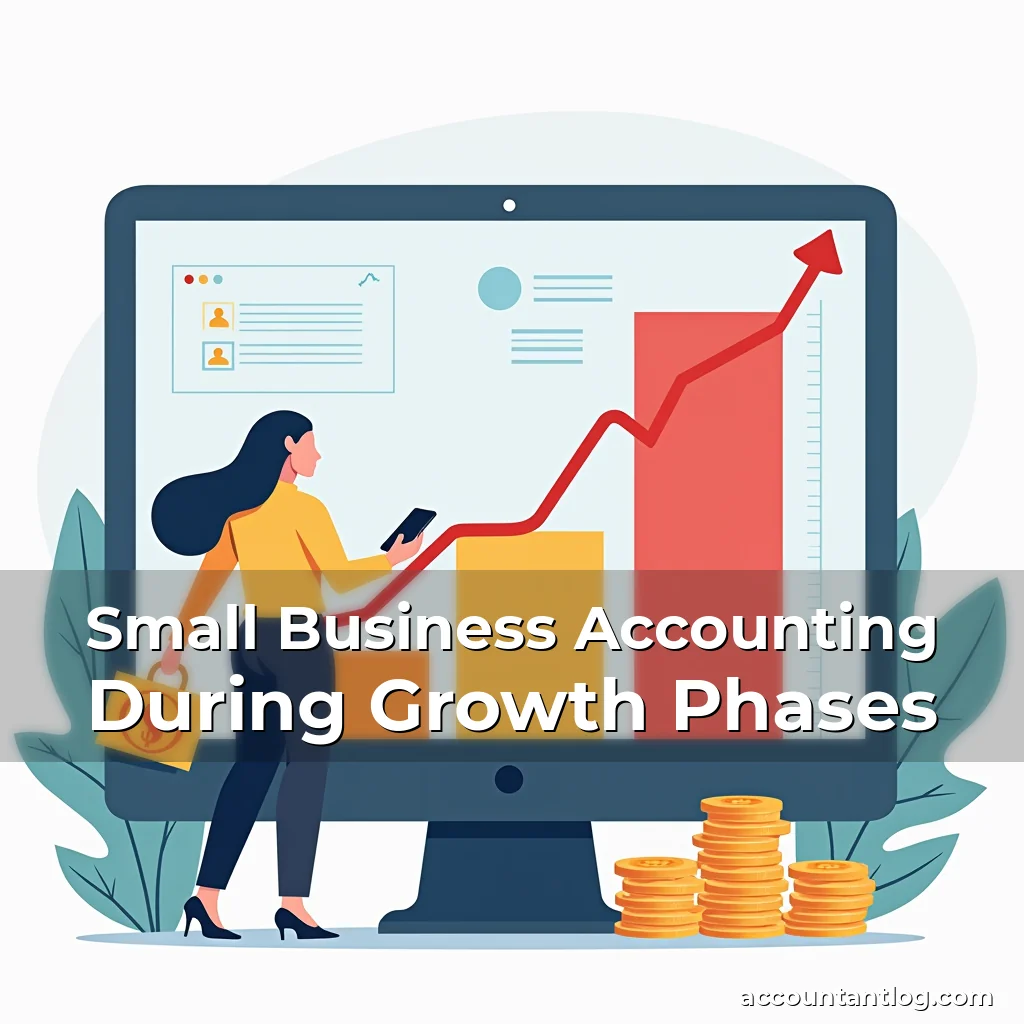
As small businesses grow, their accounting needs become increasingly complex requiring scalable solutions.
Cloud-based accounting software offers real-time data access from anywhere while automating routine tasks such as invoicing and payroll processing.
These platforms often integrate seamlessly with other business tools like CRM systems enhancing overall operational efficiency.
Selecting an appropriate platform depends on factors including user size, industry type, and future expansion plans.
For instance, QuickBooks Online provides customizable features suitable for both startups and established enterprises alike.
Leveraging Technology for Enhanced Accuracy
Technological innovations have revolutionized how small businesses manage their finances improving accuracy and reducing human error significantly.
Automated bookkeeping systems use AI algorithms to categorize transactions instantly minimizing manual input errors common in traditional methods.
Real-time dashboards provide instant visibility into key performance indicators allowing proactive adjustments based on current trends rather than historical data.
Moreover, mobile apps enable remote access ensuring continuous oversight even outside office hours.
Strategic Budget Planning Techniques
Efficient budget planning forms the backbone of sustainable growth enabling businesses to allocate resources wisely towards profitable ventures.
Budgets should reflect realistic projections considering past performances along with anticipated changes due to external factors affecting demand patterns.
Variance analysis techniques help identify discrepancies between planned versus actual figures facilitating timely corrective actions when necessary.
Regularly reviewing budgets quarterly or annually ensures alignment with organizational goals amidst changing circumstances.
Tax Compliance Strategies for Growing Enterprises
Navigating tax obligations becomes more intricate as companies expand necessitating specialized strategies tailored to each stage of development.
Understanding applicable tax codes at federal, state, and municipal levels prevents costly mistakes during audits or filings processes.
Hiring certified public accountants or utilizing professional services can streamline compliance procedures effectively managing deadlines without compromising quality control measures.
Certain industries may qualify for deductions related specifically to research & development expenses which could substantially reduce taxable income liabilities.
Maintaining Accurate Cash Flow Management
Effective cash flow management remains crucial regardless of enterprise scale determining whether operations continue smoothly through various phases.
Cash flow statements reveal liquidity positions highlighting areas where funds might be tied up unnecessarily impacting day-to-day activities adversely.
Monitoring receivables closely improves collection rates whereas optimizing payables schedules enhances working capital availability strategically.
Tools such as Zoho Books offer predictive analytics capabilities helping forecast upcoming inflows/outflows accurately several months ahead.
Financial Reporting Best Practices
Routine preparation of financial reports enables informed decisions supporting long-term sustainability objectives within competitive markets.
Standardizing report formats simplifies interpretation across departments fostering better communication regarding fiscal responsibilities shared amongst teams involved.
Incorporating visual elements like charts or graphs makes information digestible especially beneficial when presenting findings to non-financial personnel who need quick summaries without getting lost in numbers.
Digital archiving reduces physical storage requirements while increasing accessibility speeds up retrieval times dramatically compared to paper documents stored manually elsewhere physically.
Outsourcing vs In-House Bookkeeping Decisions
Deciding between outsourcing bookkeeping functions externally versus maintaining internal staff requires evaluating cost-benefit analyses thoroughly before committing resources permanently.
Outsourced providers typically charge hourly rates or monthly retainers depending upon service level agreements negotiated beforehand establishing expectations clearly upfront.
Internal teams allow greater customization aligning precisely with corporate culture however demanding significant initial investment plus ongoing training expenditures periodically.
Hybrid models combining automated technologies alongside outsourced expertise present viable alternatives balancing flexibility against control aspects simultaneously addressing both concerns adequately.
Preparing for Audit Readiness
Audits serve critical roles verifying correctness of submitted returns validating legitimacy behind claims made publicly concerning financial status reported officially.
Organizing documentation systematically according to audit trails facilitates smoother reviews decreasing chances encountering roadblocks impeding progress unexpectedly later stages.
Electronic record keeping combined with cloud backups ensures easy access whenever required meeting stringent evidentiary requirements imposed strictly by governing bodies enforcing rules rigorously.
Periodic self-audit checks conducted internally prior official examinations help detect irregularities early enough rectifying them swiftly avoiding penalties potentially levied otherwise.
Conclusion
Mastering small business accounting involves understanding foundational concepts coupled with leveraging modern technologies appropriately.
By adopting best practices consistently throughout all phases—from inception until maturity—enterprises position themselves advantageously navigating turbulent waters confidently securing prosperous futures collectively shared across stakeholders engaged actively therein.

News is a contributor at Accountant Log. We are committed to providing well-researched, accurate, and valuable content to our readers.