Mastering Small Business Accounting: Essential Practices for Financial Success
In today’s dynamic economic landscape, small businesses face increasing pressure to maintain robust financial management practices. As an accountant or finance professional, understanding the nuances of small business accounting is crucial for supporting these enterprises effectively.
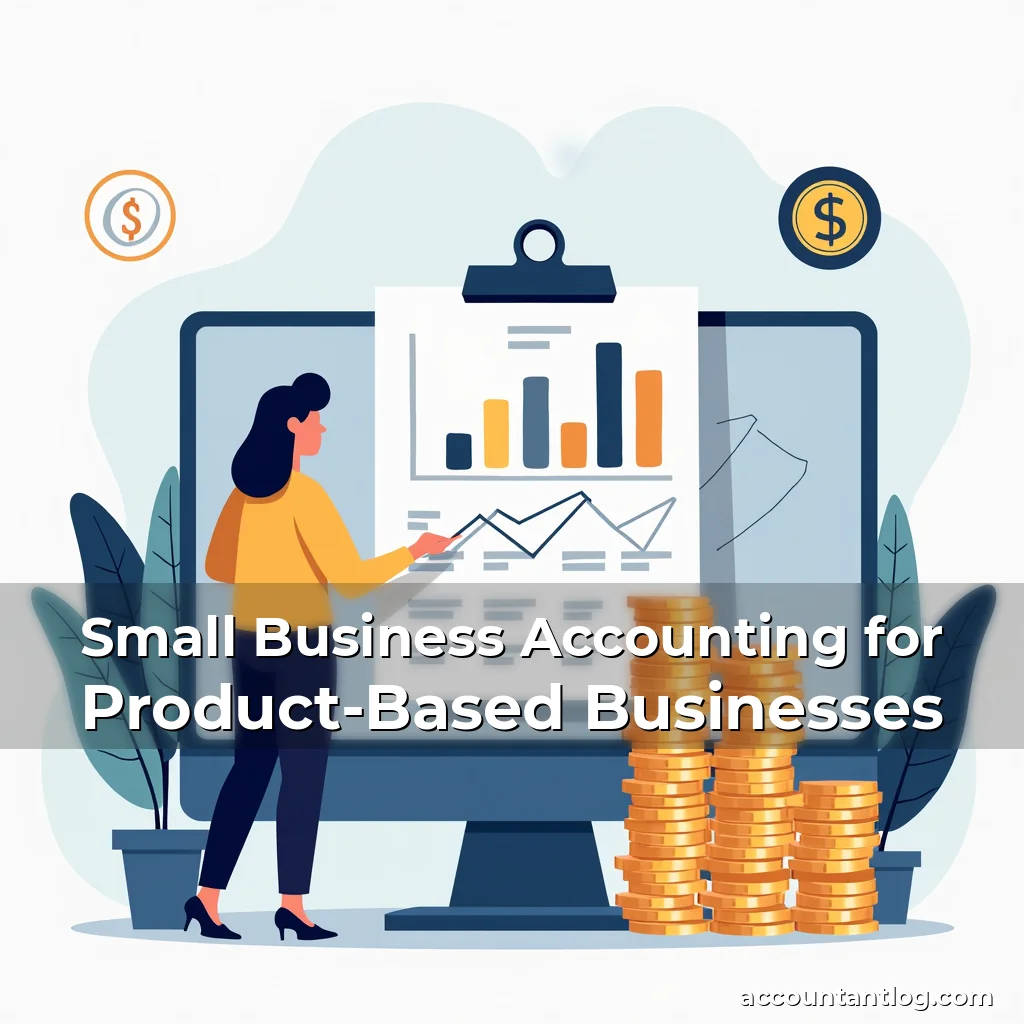
The complexity of modern commerce demands that entrepreneurs adopt sophisticated yet practical accounting systems tailored to their specific operational needs. This guide explores essential strategies and best practices designed specifically for product-based businesses navigating contemporary market conditions.
Fundamental Principles of Effective Accounting Systems
Establishing a solid foundation in small business accounting begins with recognizing key principles that underpin successful financial management. These foundational elements form the bedrock upon which sustainable business operations are built.
A well-designed accounting system must align seamlessly with a company’s operational structure while providing accurate insights into its financial health. The choice between cash basis and accrual accounting methods significantly impacts how revenues and expenses are recorded and reported.
- Cash Basis Accounting: Records transactions only when cash changes hands, offering simplicity but potentially distorting profit perceptions due to timing differences.
- Accrual Accounting: Recognizes revenue when earned and expenses when incurred, regardless of actual cash flow, providing a more accurate long-term view of financial performance.
The decision between these methodologies depends heavily on factors such as business size, industry type, and regulatory requirements. For instance, inventory-heavy product businesses often benefit from using accrual accounting to better manage stock valuation cycles.
Financial Statement Management for Product-Based Enterprises
Product-based businesses require specialized attention to their financial statements to ensure accurate representation of assets, liabilities, equity, income, and expenses related to physical goods.
Three core financial statements serve as critical tools for evaluating business performance: the balance sheet, income statement, and cash flow statement. Each provides distinct perspectives necessary for informed decision-making regarding production volumes and pricing strategies.
Balance Sheet Considerations
The balance sheet offers vital information about working capital availability by detailing current assets versus current liabilities. For manufacturers, this includes raw materials, work-in-progress inventories, and finished goods stock levels.
Effective inventory management becomes particularly important when analyzing liquidity ratios like the quick ratio (acid-test) which measures ability to meet short-term obligations without relying on inventory liquidation.
Income Statement Insights
Analyzing gross margin percentages helps identify profitable products within a diverse portfolio. Subtracting cost of goods sold (COGS) from total sales reveals profitability margins before considering other operating costs.
Tracking net profit margins over time enables identification of trends affecting overall profitability. This data informs decisions about product line expansion or contraction based on actual return-on-investment metrics.
Tax Compliance Strategies for Small Retailers
Navigating tax compliance presents unique challenges for small retailers who must adhere to various regulations governing sales taxes, payroll obligations, and quarterly estimated payments.
Implementing automated accounting software can streamline tax preparation processes by capturing real-time transaction data and generating required reports automatically. Cloud-based solutions offer particular advantages through remote access capabilities and multi-user collaboration features.
- Sales Tax Collection: Requires maintaining up-to-date records of applicable rates across jurisdictions where the business operates.
- Payroll Taxes: Involves precise tracking of employee compensation along with matching employer contributions according to local labor laws.
Maintaining thorough documentation is essential for audit readiness. Digital storage solutions reduce paper clutter while improving accessibility during inspections by tax authorities.
Inventory Valuation Techniques for Manufacturers
Properly valuing inventory is critical for both financial reporting accuracy and effective supply chain management in manufacturing environments.
Several recognized valuation methods exist including First-In, First-Out (FIFO), Last-In, First-Out (LIFO), and weighted average costing approaches. Each method affects reported profits differently depending on prevailing price trends.
- FIFO Method: Assumes oldest inventory items are sold
- LIFO Method: Considers most recently acquired items as being sold
Selecting an appropriate inventory valuation technique requires consideration of not only tax implications but also how it influences internal decision-making around purchasing patterns and production scheduling.
Cash Flow Analysis for Service-Oriented SMEs
Although primarily focused on tangible goods, many small businesses incorporate service components requiring careful analysis of cash inflows and outflows.
Service-oriented companies must monitor accounts receivable closely since delayed client payments can create significant cash shortages despite showing positive earnings on income statements. Implementing strict credit control policies enhances predictability in cash forecasting models.
Working Capital Optimization
Optimizing working capital involves balancing short-term assets against immediate liabilities to ensure sufficient liquidity for day-to-day operations. This includes managing trade payables strategically without compromising supplier relationships.
Determining optimal days sales outstanding (DSO) figures helps establish realistic expectations for customer payment timelines. Benchmarking against industry standards provides useful context for setting achievable collection targets.
Purchase Order Management Best Practices
Efficient purchase order (PO) management streamlines procurement activities and reduces errors associated with manual ordering systems.
Integrating PO functionality within enterprise resource planning (ERP) platforms ensures seamless coordination between inventory management, purchasing, and accounting departments. Barcode scanning technologies enhance accuracy in receiving and recording incoming shipments.
- Centralized Database: Enables real-time visibility into pending orders across multiple locations or warehouses.
- Automated Approvals: Reduces processing delays through predefined authorization workflows triggered by specific spending thresholds.
Regular audits of purchase history help identify potential fraud risks or areas where negotiated discounts could be secured through bulk buying arrangements.
Risk Mitigation Through Internal Controls
Strong internal controls protect against financial misstatements arising from human error, theft, or fraudulent activity within small organizations.
Segregation of duties prevents single individuals from having unchecked authority over critical functions like approvals, reconciliations, and record keeping. Regular reconciliation procedures verify that ledger balances match supporting documents accurately.
- Access Restrictions: Limit sensitive financial data exposure to authorized personnel only through role-based security protocols.
- Variance Analysis: Compares actual results against budgets regularly to detect anomalies warranting investigation.
Implementing continuous monitoring systems alerts managers promptly to irregularities detected in transactional patterns, enabling timely corrective actions before issues escalate.
Technology Integration for Streamlined Operations
Modern technology solutions automate repetitive tasks, reduce human intervention errors, and provide real-time analytics crucial for strategic decision making.
Cloud computing facilitates secure data sharing among stakeholders while mobile applications enable field staff to update records instantly from remote locations. Artificial intelligence algorithms analyze vast amounts of financial data quickly identifying patterns invisible to traditional analytical techniques.
- Data Analytics Tools: Offer predictive modeling capabilities helping anticipate future cash needs based on historical trends.
- Budget Forecasting Software: Uses machine learning to adjust projections dynamically as new data points become available.
Choosing suitable technology depends on organizational maturity level, budget constraints, and specific functional requirements rather than following general technological fads blindly.
Professional Development Opportunities for Accountants
Continuous education remains essential for accountants seeking to stay ahead in rapidly evolving financial landscapes shaped by digital transformation initiatives.
Industry certifications like CPA or CMA validate expertise while ongoing training programs address emerging topics ranging from blockchain applications to cybersecurity threats facing financial institutions today.
- E-Learning Platforms: Provide flexible learning options allowing professionals to upgrade skills at convenient times without disrupting daily responsibilities.
- Conferences & Seminars: Facilitate networking opportunities with peers experiencing similar challenges adapting to changing regulatory frameworks.
Engaging with professional associations keeps practitioners updated on legislative developments impacting small business operations globally through regular publications and webinars.
Conclusion
Small business accounting encompasses a broad spectrum of specialized knowledge areas requiring constant adaptation to new challenges presented by evolving markets.
By mastering fundamental accounting principles, implementing robust financial controls, leveraging advanced technologies, and pursuing lifelong learning opportunities, accountants play pivotal roles in ensuring sustained success for entrepreneurial ventures worldwide.

News is a contributor at Accountant Log. We are committed to providing well-researched, accurate, and valuable content to our readers.