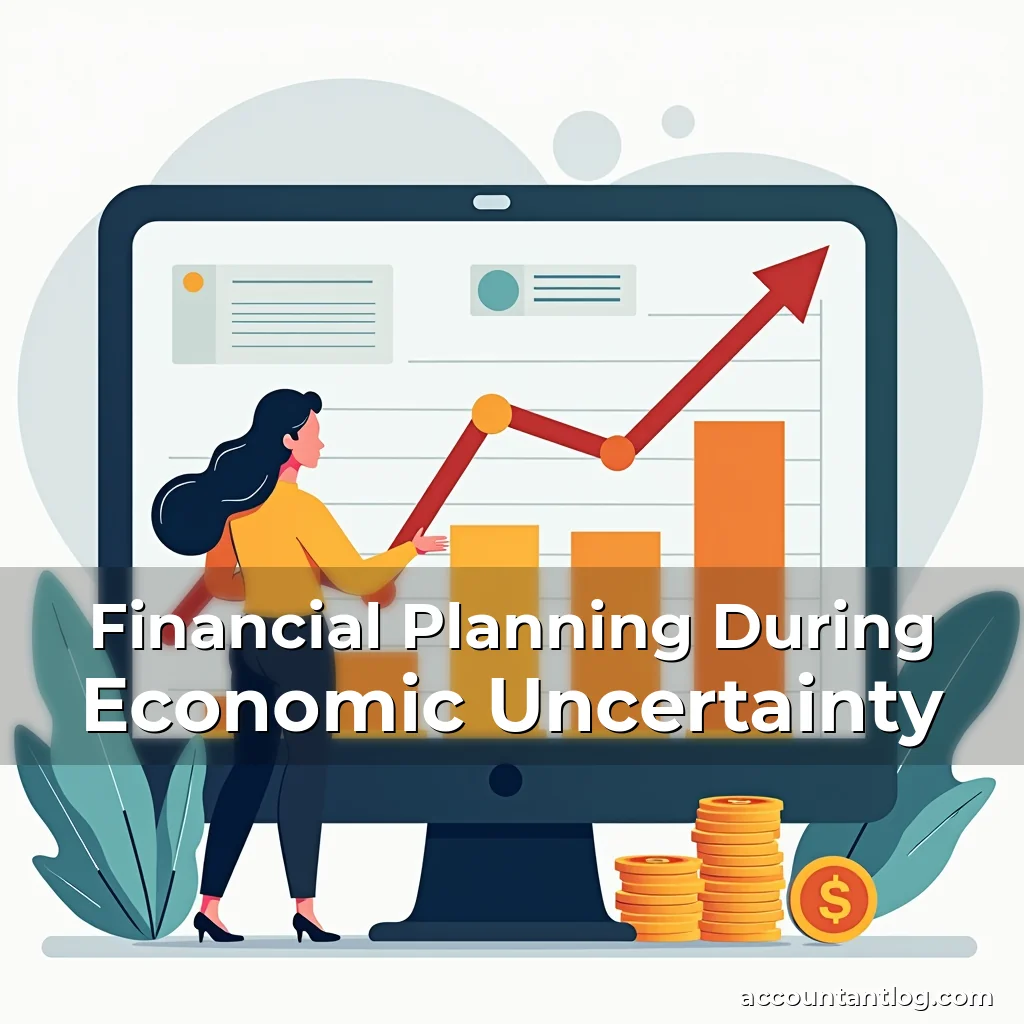
Financial Planning During Economic Uncertainty
In an era marked by unpredictable economic shifts, financial planning has evolved from a routine exercise to a critical survival strategy. Accountants and finance professionals must navigate volatile markets, regulatory changes, and fluctuating client needs with precision.
The stakes are higher than ever as global events reshape financial landscapes overnight. Proactive planning is not merely recommended—it’s essential for maintaining stability in uncertain times.
The Evolving Role of Financial Planners
Modern financial planners serve as both strategists and crisis managers. Their responsibilities extend beyond traditional budgeting to include risk mitigation and scenario modeling.
This expanded role requires continuous education in emerging trends such as digital currencies, AI-driven analytics, and blockchain-based transactions.
- Risk Assessment: Regularly evaluating exposure to market volatility through stress testing and diversification strategies.
- Crisis Preparedness: Developing contingency plans that address liquidity shortages, credit risks, and operational disruptions.
Strategic Budgeting Techniques for Unstable Markets
Budgeting during uncertainty demands flexibility rather than rigidity. Dynamic forecasting models allow adjustments based on real-time data inputs and changing conditions.
Implementing rolling forecasts—typically updated quarterly—enables organizations to respond swiftly to unexpected developments without starting from scratch each time.
A key component involves identifying non-discretionary expenses that remain constant regardless of external factors, ensuring core operations stay funded even during downturns.
Leveraging Technology for Enhanced Financial Insights
Advanced software solutions offer predictive capabilities that were once limited to large institutions. Cloud-based platforms provide real-time visibility across all financial activities.
Machine learning algorithms can detect patterns in spending behavior, flagging anomalies before they become significant issues. This proactive approach minimizes potential losses.
Data visualization tools transform complex datasets into intuitive dashboards, enabling faster decision-making at all organizational levels.
Case Study: Tech Integration Success Story
A mid-sized manufacturing firm adopted AI-powered analytics to monitor cash flow fluctuations. The system predicted a 28% drop in receivables three months prior to actual occurrence.
By acting preemptively, the company secured alternative financing options and renegotiated supplier terms, avoiding a potential liquidity crisis entirely.
Diversifying Investment Portfolios Under Pressure
Economic instability necessitates careful portfolio management. Overexposure to any single asset class increases vulnerability to sudden market corrections.
Professional advisors employ tactical asset allocation techniques that adjust weightings based on current macroeconomic indicators and geopolitical risks.
Hedging strategies using derivatives help protect against currency devaluation and commodity price swings when traditional investments falter.
Navigating Regulatory Changes and Compliance Challenges
Regulatory frameworks continuously evolve, requiring constant vigilance from finance professionals. New legislation often emerges in response to economic crises, impacting tax codes and reporting requirements.
Staying ahead means subscribing to updates from authoritative bodies like the IRS, FASB, and SEC while participating in relevant industry forums and webinars.
An effective compliance program includes regular internal audits and cross-training sessions to ensure all staff understand their obligations under new regulations.
Client Communication Strategies During Turbulent Times
Maintaining transparency with clients builds trust during periods of uncertainty. Clear communication about challenges and mitigation efforts fosters long-term relationships.
Regular progress reports should highlight both obstacles faced and steps taken to overcome them. This demonstrates accountability and commitment to client success.
Voice-to-text technology enables quick generation of personalized messages tailored to individual client concerns and priorities.
Fostering Organizational Resilience Through Strategic Planning
Organizations must cultivate resilience by embedding strategic planning into daily operations. This involves creating cross-functional teams focused on long-term objectives rather than short-term gains.
Scenario analysis exercises simulate various economic outcomes, preparing leadership for different possibilities. These simulations enhance preparedness without assuming worst-case scenarios unnecessarily.
Investing in employee development programs ensures teams have the skills necessary to adapt to shifting business environments effectively.
Measuring the Effectiveness of Your Financial Plans
Evaluating plan effectiveness requires establishing clear KPIs aligned with organizational goals. Metrics might include return on investment ratios, debt-to-equity percentages, or liquidity coverage ratios.
Quarterly reviews comparing actual performance against projections identify areas needing improvement. This iterative process refines future planning cycles significantly.
Feedback loops between departments facilitate knowledge sharing, improving overall alignment toward common financial targets.
Conclusion
Financial planning during economic uncertainty is no longer optional but fundamental to sustained success in today’s dynamic marketplace.
By embracing innovative approaches, leveraging technology wisely, and prioritizing strategic foresight, professionals can turn uncertainty into opportunity for growth and innovation.
“`html
“`
Financial Planning During Economic Uncertainty
In an era marked by unpredictable economic shifts, financial planning has evolved from a routine exercise to a critical survival strategy. Accountants and finance professionals must navigate volatile markets, regulatory changes, and fluctuating client needs with precision.
The stakes are higher than ever as global events reshape financial landscapes overnight. Proactive planning is not merely recommended—it’s essential for maintaining stability in uncertain times.
The Evolving Role of Financial Planners
Modern financial planners serve as both strategists and crisis managers. Their responsibilities extend beyond traditional budgeting to include risk mitigation and scenario modeling.
This expanded role requires continuous education in emerging trends such as digital currencies, AI-driven analytics, and blockchain-based transactions.
- Risk Assessment: Regularly evaluating exposure to market volatility through stress testing and diversification strategies.
- Crisis Preparedness: Developing contingency plans that address liquidity shortages, credit risks, and operational disruptions.
Strategic Budgeting Techniques for Unstable Markets
Budgeting during uncertainty demands flexibility rather than rigidity. Dynamic forecasting models allow adjustments based on real-time data inputs and changing conditions.
Implementing rolling forecasts—typically updated quarterly—enables organizations to respond swiftly to unexpected developments without starting from scratch each time.
A key component involves identifying non-discretionary expenses that remain constant regardless of external factors, ensuring core operations stay funded even during downturns.
Leveraging Technology for Enhanced Financial Insights
Advanced software solutions offer predictive capabilities that were once limited to large institutions. Cloud-based platforms provide real-time visibility across all financial activities.
Machine learning algorithms can detect patterns in spending behavior, flagging anomalies before they become significant issues. This proactive approach minimizes potential losses.
Data visualization tools transform complex datasets into intuitive dashboards, enabling faster decision-making at all organizational levels.
Case Study: Tech Integration Success Story
A mid-sized manufacturing firm adopted AI-powered analytics to monitor cash flow fluctuations. The system predicted a 28% drop in receivables three months prior to actual occurrence.
By acting preemptively, the company secured alternative financing options and renegotiated supplier terms, avoiding a potential liquidity crisis entirely.
Diversifying Investment Portfolios Under Pressure
Economic instability necessitates careful portfolio management. Overexposure to any single asset class increases vulnerability to sudden market corrections.
Professional advisors employ tactical asset allocation techniques that adjust weightings based on current macroeconomic indicators and geopolitical risks.
Hedging strategies using derivatives help protect against currency devaluation and commodity price swings when traditional investments falter.
Navigating Regulatory Changes and Compliance Challenges
Regulatory frameworks continuously evolve, requiring constant vigilance from finance professionals. New legislation often emerges in response to economic crises, impacting tax codes and reporting requirements.
Staying ahead means subscribing to updates from authoritative bodies like the IRS, FASB, and SEC while participating in relevant industry forums and webinars.
An effective compliance program includes regular internal audits and cross-training sessions to ensure all staff understand their obligations under new regulations.
Client Communication Strategies During Turbulent Times
Maintaining transparency with clients builds trust during periods of uncertainty. Clear communication about challenges and mitigation efforts fosters long-term relationships.
Regular progress reports should highlight both obstacles faced and steps taken to overcome them. This demonstrates accountability and commitment to client success.
Voice-to-text technology enables quick generation of personalized messages tailored to individual client concerns and priorities.
Fostering Organizational Resilience Through Strategic Planning
Organizations must cultivate resilience by embedding strategic planning into daily operations. This involves creating cross-functional teams focused on long-term objectives rather than short-term gains.
Scenario analysis exercises simulate various economic outcomes, preparing leadership for different possibilities. These simulations enhance preparedness without assuming worst-case scenarios unnecessarily.
Investing in employee development programs ensures teams have the skills necessary to adapt to shifting business environments effectively.
Measuring the Effectiveness of Your Financial Plans
Evaluating plan effectiveness requires establishing clear KPIs aligned with organizational goals. Metrics might include return on investment ratios, debt-to-equity percentages, or liquidity coverage ratios.
Quarterly reviews comparing actual performance against projections identify areas needing improvement. This iterative process refines future planning cycles significantly.
Feedback loops between departments facilitate knowledge sharing, improving overall alignment toward common financial targets.
Conclusion
Financial planning during economic uncertainty is no longer optional but fundamental to sustained success in today’s dynamic marketplace.
By embracing innovative approaches, leveraging technology wisely, and prioritizing strategic foresight, professionals can turn uncertainty into opportunity for growth and innovation.
“`

News is a contributor at Accountant Log. We are committed to providing well-researched, accurate, and valuable content to our readers.