Accounting Software Integration with Business Tools
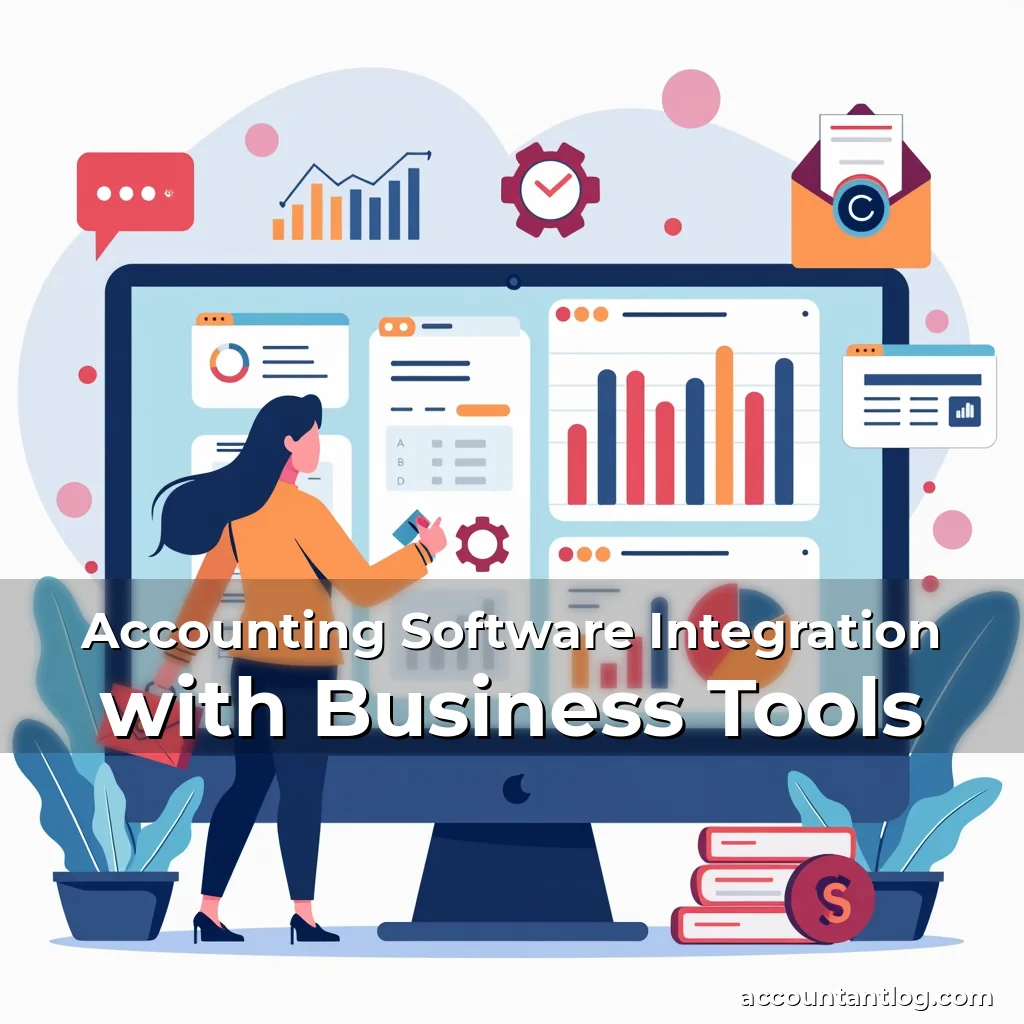
In today’s fast-paced business environment, seamless integration between accounting software and other operational tools is essential for maintaining accuracy, improving efficiency, and reducing manual effort. As accounting and finance professionals navigate increasingly complex financial landscapes, leveraging integrated solutions ensures real-time data synchronization across departments.
The ability to connect accounting platforms with project management, payroll, inventory, and customer relationship systems transforms fragmented workflows into cohesive processes. This integration enables better decision-making through unified analytics while minimizing errors caused by disparate data sources.
Understanding Modern Accounting Software Ecosystems
Modern accounting software extends far beyond traditional ledger entries, offering robust ecosystems designed to streamline financial operations. These platforms often act as central hubs, connecting various aspects of business performance into a single interface.
At their core, advanced accounting applications prioritize automation, scalability, and interoperability. By integrating with external services like payment gateways, HR modules, and e-commerce platforms, they eliminate silos and enhance overall productivity.
- Data Centralization: Integrated systems consolidate financial records from multiple touchpoints, ensuring transparency and consistency.
- Real-Time Updates: Automated syncing reduces delays in reporting and allows teams to respond swiftly to financial changes.
- Cross-Functional Collaboration: Shared dashboards enable non-accountants to access relevant financial metrics without specialized training.
These capabilities make accounting software indispensable for organizations seeking agility in dynamic markets. A well-integrated system also supports compliance requirements by maintaining audit trails across connected tools.
Cloud-based architecture further amplifies integration potential, allowing secure remote access and fostering collaboration among geographically dispersed teams. However, successful implementation requires careful consideration of compatibility and data governance policies.
Evaluating Key Features for Seamless Integration
Selecting accounting software involves identifying features that align with specific organizational needs and integration goals. Core functionalities such as invoicing, expense tracking, and tax calculations remain fundamental but must now work harmoniously with third-party applications.
When assessing integration capabilities, prioritize APIs (Application Programming Interfaces) that support open standards. RESTful API frameworks typically offer greater flexibility compared to proprietary protocols used by legacy systems.
A critical factor is the breadth of supported integrations. Leading platforms often maintain extensive app marketplaces with pre-built connectors for popular business tools like QuickBooks, Xero, and NetSuite.
Vendors may provide tiered pricing models that influence available integration options. Free versions usually restrict connectivity, whereas premium subscriptions unlock full ecosystem access.
User permissions and role-based controls become vital when sharing financial data across departments. Granular settings prevent unauthorized access while enabling targeted collaboration.
Strategic Implementation of Integration Frameworks
An effective integration strategy begins with mapping existing workflows to identify pain points. Documenting current process flows helps determine which tools require connection and what outcomes are expected from integration.
Conducting a feasibility study before deployment is crucial. Assess hardware infrastructure, internet reliability, and employee readiness to adopt new technologies. Pilot programs with limited scope minimize risks during initial phases.
Case Study: Manufacturing Sector Integration Success
A mid-sized manufacturing firm reduced month-end closures by 60% after integrating its accounting platform with production scheduling software. Real-time cost tracking enabled precise job costing and improved margin analysis.
This transformation was achieved through middleware solutions that facilitated communication between SAP ERP and QuickBooks Online. Custom scripts ensured accurate transfer of transactional data without disrupting daily operations.
Post-implementation audits revealed significant improvements in procurement cycle times and inventory valuation accuracy. Finance staff reported increased confidence in forecasting due to timely data availability.
Leveraging AI-Powered Analytics Through Integration
Integrated accounting systems combined with artificial intelligence deliver predictive insights previously unattainable through conventional methods. Machine learning algorithms analyze historical patterns to forecast cash flow trends and detect anomalies.
AI-driven reconciliation tools automatically match transactions across linked accounts, flagging discrepancies for review. This reduces manual verification efforts by up to 80% in tested scenarios.
Natural Language Processing (NLP) capabilities allow voice-to-text transcription of receipts and invoices, streamlining expense submission processes. Intelligent categorization minimizes human error in classification tasks.
Predictive modeling functions warn users about potential liquidity issues months ahead of traditional indicators. Scenario simulations aid in strategic budget planning by showing impact projections of different decisions.
Safeguarding Financial Data Across Connected Systems
While integration improves operational efficiency, it introduces cybersecurity vulnerabilities that demand proactive mitigation strategies. Multi-factor authentication becomes essential when accessing shared databases through mobile devices or public networks.
End-to-end encryption protects sensitive data both in transit and at rest. Regular vulnerability assessments and penetration testing uncover weaknesses in interconnected systems before exploitation occurs.
Data loss prevention mechanisms monitor unusual activity patterns that might indicate breaches or insider threats. Role-specific access controls limit exposure of confidential information to authorized personnel only.
Compliance with global regulations like GDPR and SOX necessitates thorough documentation of data handling procedures across all integrated platforms. Audit logs must capture every interaction involving financial records.
Cost-Benefit Analysis of Comprehensive Integrations
Evaluating return on investment requires comparing upfront implementation costs against long-term gains from workflow optimization. Initial expenses cover licensing fees, customization charges, and staff training programs.
Ongoing maintenance costs vary depending on cloud vs. on-premise deployments. SaaS models typically involve predictable monthly payments rather than unpredictable capital expenditures.
Quantifying savings from reduced labor hours provides concrete evidence of value creation. One company saved $150k annually by automating invoice processing through integrated RPA bots.
Opportunity costs associated with poor integration choices include lost revenue opportunities from delayed reporting and missed cross-selling prospects due to incomplete client data visibility.
Fostering Organizational Adoption of Integrated Systems
Successful implementation depends heavily on change management strategies that address resistance to new technologies. Involving end-users early in the selection process increases ownership and engagement levels.
Training programs should go beyond basic functionality to explain broader implications of integration on departmental workflows. Simulations help employees understand how their roles evolve post-deployment.
Creating internal champions who advocate for the solution accelerates adoption rates. Peer-to-peer mentoring initiatives foster organic knowledge sharing within teams.
Regular feedback loops ensure continuous improvement of the integrated environment. User surveys identify usability issues that might otherwise go unnoticed until they cause operational disruptions.
Future Trends Shaping Accounting Software Integration
Rapid technological advancements continue redefining possibilities for software integration. Blockchain technology promises immutable audit trails that transcend traditional database limitations.
Internet of Things (IoT) devices feed real-time financial data directly into accounting systems, eliminating manual input requirements. Smart sensors track asset usage patterns for automated depreciation calculations.
Augmented reality interfaces overlay digital financial information onto physical environments, enhancing visualization of complex datasets during meetings and presentations.
Emerging standards like GAAP 2025 will likely mandate enhanced integration capabilities for compliance purposes, pushing vendors to innovate continuously in this space.
Conclusion
The evolution of accounting software toward fully integrated business ecosystems represents a paradigm shift in financial management practices. Organizations embracing this transition gain competitive advantages through smarter resource allocation and faster response times.
To maximize benefits, accountants should actively participate in selecting and configuring integrated systems. Staying informed about emerging technologies ensures continued relevance in an ever-changing profession landscape.

News is a contributor at Accountant Log. We are committed to providing well-researched, accurate, and valuable content to our readers.