The Role of Auditing in Modern Business Environments
Audit processes play a pivotal role in ensuring accurate financial reporting while acting as a deterrent against fraudulent activities. In contemporary business settings, these procedures go beyond traditional checks to include data analytics and forensic investigations.
Organizations rely heavily on audits to verify the integrity of financial statements, assess internal controls, and evaluate risk management frameworks. These functions collectively contribute to corporate governance standards and regulatory compliance requirements.
Three core objectives define the scope of modern auditing:
- Verification of financial records accuracy: Ensures consistency between recorded transactions and actual events through systematic reviews.
- Evaluation of internal control effectiveness: Identifies vulnerabilities in operational systems that could lead to misstatements or embezzlement opportunities.
- Detection of non-compliance issues: Reveals discrepancies related to tax regulations, statutory obligations, or industry-specific guidelines.
Fraud Risk Assessment Frameworks
Before initiating an audit, practitioners must conduct thorough fraud risk assessments to prioritize areas requiring deeper scrutiny. This process involves analyzing historical data patterns alongside current market conditions.
Industry benchmarks indicate that approximately 60% of detected fraud cases originate from departments handling high-volume transactional workflows. Such findings underscore the importance of targeted examination approaches.
Financial professionals utilize specialized models like the Cosmetic Fraud Model which categorizes potential threats based on behavioral indicators rather than purely numerical anomalies.
This framework enables auditors to distinguish routine errors from intentional manipulations by examining deviations in decision-making processes and documentation practices.
Advanced Techniques in Audit Planning
Modern audit planning integrates predictive analytics tools capable of flagging suspicious trends long before they manifest as clear-cut fraud instances. Machine learning algorithms now support pattern recognition across vast datasets.
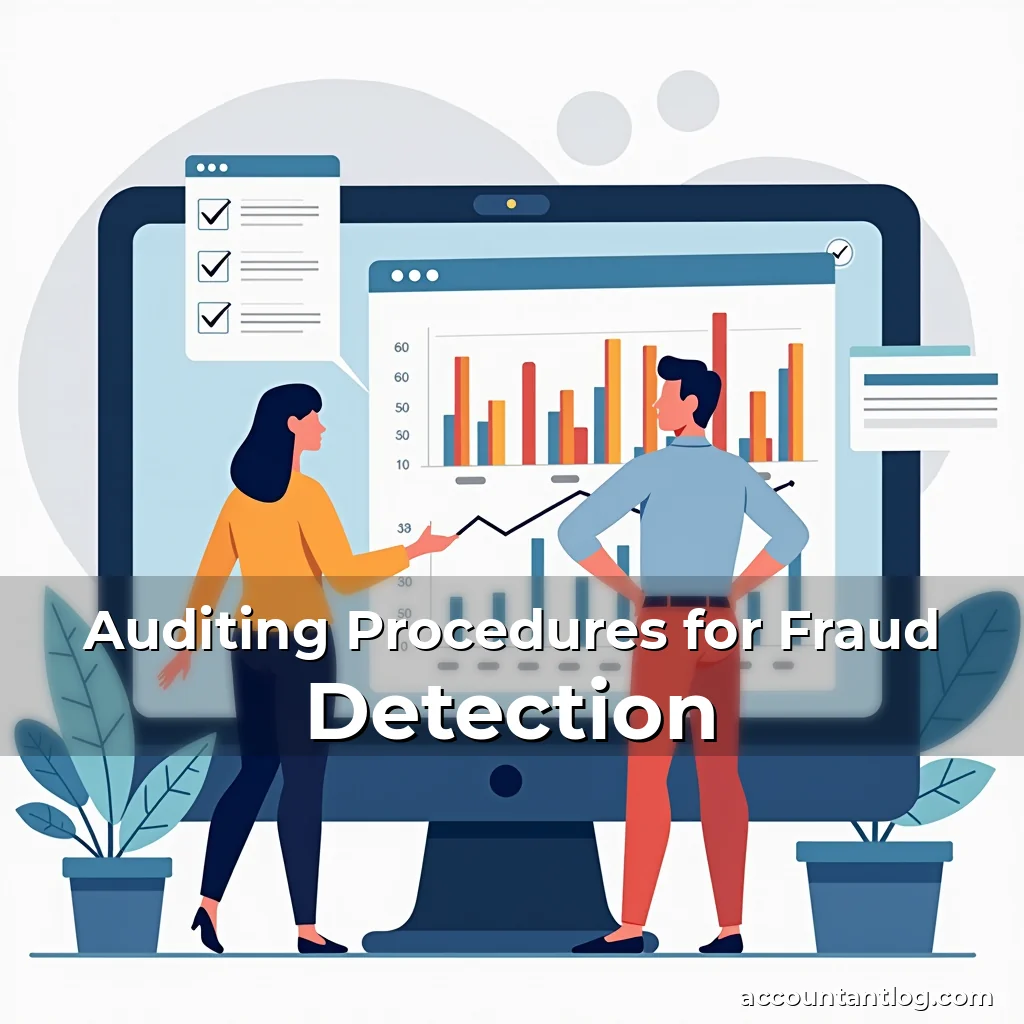
Data visualization software enhances the ability to identify outliers and correlations that may suggest manipulation attempts. Interactive dashboards allow auditors to drill down into specific transaction clusters efficiently.
Four key considerations shape effective audit planning:
- Resource allocation optimization: Allocating audit resources proportionally according to calculated risk levels maximizes investigative efficiency.
- Technology integration strategy: Selecting complementary technologies ensures seamless workflow automation and reduces manual verification efforts.
- Regulatory alignment assessment: Continuous monitoring of evolving legal standards prevents unintentional noncompliance during audit execution phases.
- Multidisciplinary team composition: Combining expertise from IT security specialists, forensic accountants, and legal advisors strengthens investigative depth.
Internal Controls Evaluation Methodologies
Assessing internal controls forms a foundational aspect of fraud detection audits. Effective evaluation methods involve mapping out existing procedural flows and identifying gaps systematically.
The Control Self-Assessment (CSA) technique empowers employees to participate actively in evaluating control mechanisms, fostering greater organizational awareness regarding vulnerabilities.
Statistical sampling techniques remain vital when conducting control testing exercises, allowing auditors to draw meaningful conclusions from representative subsets of transactions.
Risk-based auditing prioritizes controls linked to higher-value transactions or those involving significant judgment discretion, optimizing resource utilization effectively.
Forensic Accounting Practices in Audits
When suspicion arises regarding potential fraud schemes, auditors often employ forensic accounting methodologies to gather compelling evidence suitable for litigation purposes. This phase demands meticulous attention to detail and adherence to evidentiary rules.
Tangible proof collection includes retrieving emails, reviewing electronic communication trails, and acquiring digital metadata from relevant sources. Physical document analysis complements these efforts by validating paper trail authenticity.
Five essential principles govern forensic audit practices:
- Evidence chain preservation: Maintaining unbroken documentation trails ensures admissibility of collected materials in court proceedings.
- Chain-of-custody protocols: Documented transfer logs prevent tampering allegations by establishing clear ownership sequences for physical items.
- Analytical reconstruction techniques: Reconstructing financial timelines helps demonstrate causal relationships between suspected actions and resulting outcomes.
- Expert witness preparation: Training involved parties to testify confidently supports stronger case presentation capabilities.
- Legal compliance verification: Confirming that all investigative steps conform to applicable laws protects against counterclaims or procedural objections.
Leveraging Technology for Enhanced Fraud Detection
Emerging technologies significantly enhance the precision and speed of fraud identification efforts. Artificial intelligence applications now enable real-time anomaly detection across various financial operations.
Blockchain technology offers immutable record-keeping advantages, reducing opportunities for unauthorized alterations to transaction histories. Smart contracts further automate compliance verification processes automatically.
Top technological innovations transforming audit landscapes include:
- AI-driven anomaly detectors: Algorithms trained on extensive datasets recognize subtle deviation patterns indicative of fraudulent behaviors.
- Cloud-based audit platforms: Enable remote access to consolidated financial information, facilitating collaborative investigations across geographically dispersed teams.
- Biometric authentication systems: Strengthen access controls by implementing multi-factor verification layers for sensitive data repositories.
- Real-time dashboard monitoring: Provides instant visibility into emerging risks through dynamic visual representations of key performance metrics.
Case Studies Illustrating Successful Fraud Investigations
Examining documented cases provides invaluable lessons for refining auditing strategies. One notable instance involved a multinational corporation where embezzlement was uncovered through rigorous cash flow analysis combined with behavioral profiling techniques.
By cross-referencing travel expense reports with flight booking records, investigators identified inconsistencies indicating fabricated trip expenditures. Subsequent interviews confirmed deliberate falsification aimed at siphoning company funds discreetly.
Other instructive examples showcase diverse fraud manifestations:
- Sales commission skimming: Misappropriation of earned commissions disguised as charitable donations required tracing fund transfers across multiple accounts.
- Inventory theft concealment: False write-offs masked asset removals necessitated reconciling warehouse inventories against procurement records.
- Purchase order manipulation: Fabricated vendor invoices demanded correlational analyses between supplier databases and payment authorization logs.
Ethical Considerations in Fraud Auditing
While uncovering fraudulent activity is paramount, ethical boundaries must never be compromised during investigations. Upholding confidentiality agreements safeguards sensitive information obtained during audits.
Professional codes mandate that auditors report findings objectively without personal bias influencing interpretations. Disclosures must be made judiciously considering potential impacts on individuals and institutions alike.
Vital ethical tenets guiding auditors include:
- Confidentiality maintenance: Protecting privileged information until formal disclosure channels are activated.
- Impartiality enforcement: Avoiding conflicts of interest that could distort audit outcomes or compromise objectivity.
- Integrity preservation: Refraining from fabricating evidence or altering facts even under pressure from powerful entities.
- Competence demonstration: Continuously updating skills to maintain proficiency in evolving audit methodologies and legal standards.
Preparing Organizations for Future Audit Challenges
Anticipating upcoming changes in regulatory environments and technological advancements allows proactive adjustment of audit strategies. Engaging in continuous education programs keeps practitioners informed about emerging threats and solutions.
Collaborative efforts between internal audit teams and external consultants foster innovation by combining institutional knowledge with outside perspectives. Joint workshops facilitate sharing best practices and addressing common challenges.
To future-proof audit capabilities consider these preparatory measures:
- Scenario modeling exercises: Simulate hypothetical fraud situations to test response readiness and refine mitigation plans.
- Interdisciplinary training sessions: Broaden understanding by exposing staff to adjacent fields such as cybersecurity and data science.
- Continuous improvement cycles: Implement regular feedback loops to refine processes based on empirical results and stakeholder input.
- Strategic investment planning: Allocate budget resources toward adopting innovative solutions that promise long-term benefits exceeding initial costs.
Conclusion
Effective auditing serves as a critical defense mechanism against financial misconduct while promoting organizational resilience. By integrating sophisticated analytical tools with sound procedural rigor, accountants can transform audits into proactive risk management instruments.
Adopting a multifaceted approach encompassing technological innovation, robust internal controls, and unwavering ethical standards positions firms to navigate evolving threat landscapes successfully. Regular practice and continuous skill development ensure preparedness for any challenge ahead.

News is a contributor at Accountant Log. We are committed to providing well-researched, accurate, and valuable content to our readers.