The Ultimate Tax Preparation Playbook for Accounting Professionals
In an era where tax codes evolve rapidly and compliance demands grow increasingly complex, mastering tax preparation is essential for accountants serving small businesses. This guide provides actionable strategies tailored specifically for accounting professionals navigating today’s dynamic financial landscape.
Whether you’re preparing returns for sole proprietorships or multi-state corporations, understanding the latest IRS guidelines and digital tools can make all the difference in delivering accurate, efficient services. Let’s explore how to optimize your tax preparation workflow while maintaining regulatory compliance.
Mastery of Changing Tax Regulations
Tax laws undergo constant revisions that impact every aspect of financial reporting. Staying updated with these changes ensures accuracy in client filings and avoids costly mistakes.
Accounting software updates often include new tax rules, but professional judgment remains crucial when interpreting complex provisions. The ability to distinguish between temporary and permanent differences becomes especially vital during year-end reconciliations.
- Subscribe to official IRS newsletters – These provide timely alerts on proposed regulations and final rulings
- Create regulatory tracking templates – Custom spreadsheets help monitor key legislative developments affecting clients
Leveraging Technology in Modern Tax Prep
Digital transformation has revolutionized tax preparation processes through automation and AI integration. Cloud-based platforms now handle data aggregation, error detection, and even basic filing tasks.
While technology enhances efficiency, human oversight remains indispensable. Algorithms may flag anomalies, but only experienced professionals can determine their significance within broader business contexts.
Consider implementing practice management systems that integrate seamlessly with popular accounting software like QuickBooks or Xero. These integrations reduce manual data entry errors by up to 68% according to industry studies.
Mobile accessibility features allow real-time collaboration with clients, enabling faster resolution of documentation issues before they become roadblocks.
Client Communication Strategies
Effective communication builds trust and prevents misunderstandings during tax season. Establish clear expectations regarding deadlines, required documents, and potential audit risks at the outset of each engagement.
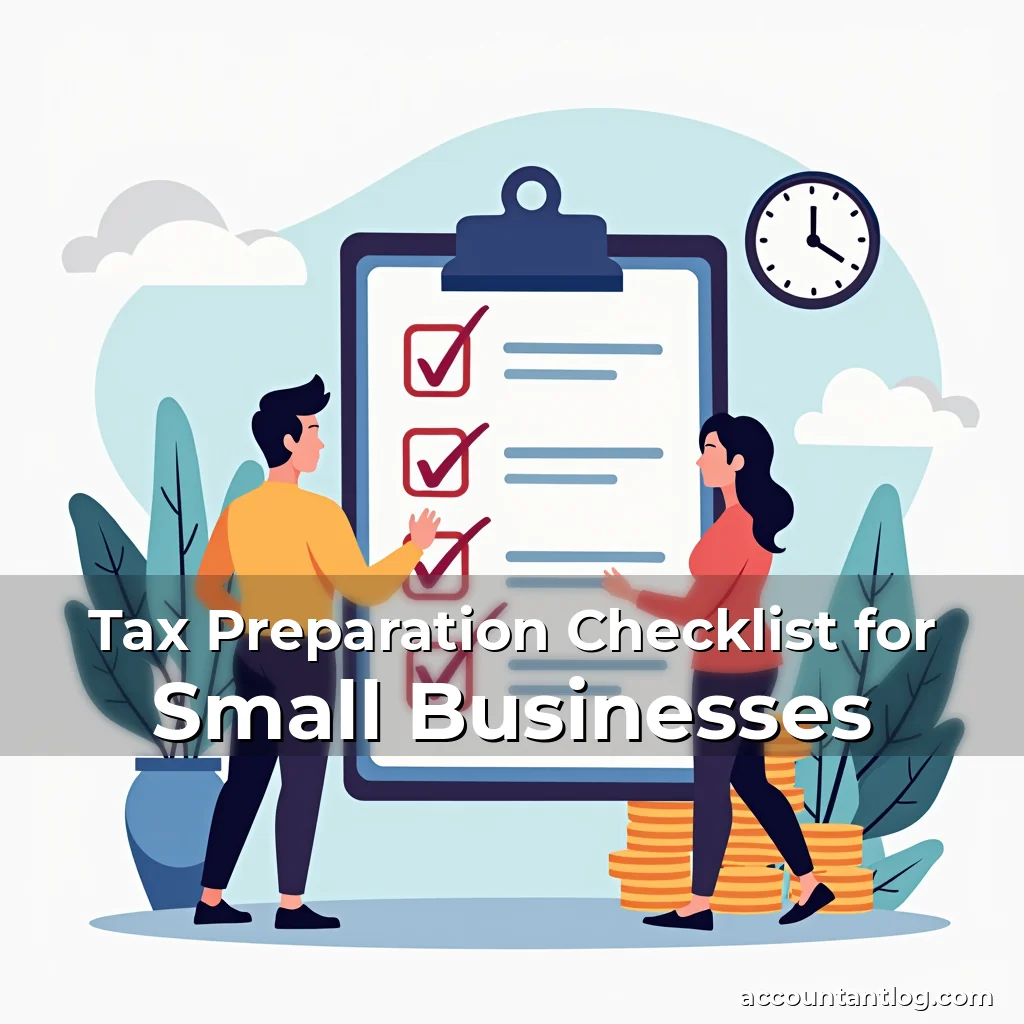
Develop standardized checklists for common queries related to deductions, credits, and recordkeeping requirements. Proactively addressing questions reduces last-minute panic among clients.
Email templates for recurring topics ensure consistency in messaging while freeing time for more complex advisory work. Voice-to-text transcription tools facilitate quicker note-taking during client calls.
Organizing Financial Records Efficiently
A well-maintained records system saves countless hours during tax preparation. Implement electronic document management solutions that categorize receipts, invoices, and contracts based on fiscal years.
Digitizing paper records using OCR-enabled scanners improves searchability and creates backup copies against physical loss. Cloud storage providers offer automatic version control and access logs for added security.
Establish retention policies aligned with state-specific requirements. While federal guidelines suggest keeping records for seven years, some states require longer periods for certain transactions.
Use color-coded folders or labels to differentiate between personal and business expenses, ensuring clean separation for accurate deduction calculations.
Navigating Deduction Eligibility Criteria
Identifying legitimate deductions requires careful analysis of both statutory requirements and practical application. Maintain thorough documentation for all claimed expenses to withstand scrutiny from auditors.
Common deductible categories include home office space, vehicle mileage, and professional development costs. However, recent rule changes have impacted eligibility criteria for several traditional deductions.
- Home office deduction: Must be used regularly and exclusively for business purposes
- Vehicle expenses: Mileage logs must reflect actual usage patterns, not estimated figures
- Professional fees: Include CPE courses and subscription memberships relevant to current job functions
Stay informed about limitations imposed by the Tax Cuts and Jobs Act, which modified many standard deductions for individuals and businesses alike.
Consult the IRS Publication 535 annually for updated guidance on allowable business expenses and deduction limits.
Estate Planning Considerations in Tax Strategy
Tax preparation extends beyond annual filings to encompass long-term wealth preservation strategies. Understanding estate taxation principles helps advisors create holistic plans for high-net-worth clients.
The unified transfer tax credit allows $12.92 million in lifetime gifts without estate tax liability as of 2023. Strategic gifting practices enable clients to maximize this exemption over time.
Annual gift exclusions currently stand at $17,000 per recipient, providing opportunities for incremental wealth transfers without triggering additional taxes.
Closely coordinate with legal counsel when structuring trusts or establishing family limited partnerships for optimal tax benefits.
Keep track of inflation adjustments to the applicable exclusion amount, which increases periodically to maintain purchasing power equivalence.
Preparing for Potential Audits
Rigorous documentation practices significantly reduce audit risk. Develop systematic approaches for organizing supporting evidence behind all significant tax positions taken on behalf of clients.
Maintain duplicate sets of critical records in separate locations – both digital and physical backups protect against unforeseen circumstances. Offsite storage solutions are recommended for disaster recovery scenarios.
Create audit trails showing the rationale behind unusual entries or aggressive deductions. This demonstrates due diligence rather than mere compliance.
Implement internal quality review procedures where experienced staff cross-check complex cases prior to submission.
International Tax Compliance Challenges
Global operations introduce additional layers of complexity in tax preparation. Familiarity with foreign income reporting requirements is essential for multinational clients.
Form 5471 reports U.S. ownership interests in foreign corporations, while Form 8938 discloses specified foreign assets exceeding threshold amounts. Both forms carry strict penalties for non-compliance.
Track currency exchange rates meticulously when converting international revenues to USD equivalents. Rounding conventions affect reported values and subsequent tax calculations.
Understand country-by-country reporting obligations under OECD guidelines, particularly for firms operating across multiple jurisdictions.
Continuous Education and Certification Maintenance
Staying current with evolving tax standards requires ongoing learning initiatives. Enroll in webinars covering emerging trends such as cryptocurrency taxation and remote worker deductions.
Pursue specialized credentials like the CPA designation or Enrolled Agent status to enhance credibility and expand service offerings. Continuing education units (CEUs) are mandatory for most certification renewals.
Attend local chapter meetings and national conferences to network with peers and gain insights into innovative practice methods. Online forums provide real-time updates on interpretive challenges faced by practitioners nationwide.
Participate in mock audits or case study reviews to sharpen analytical skills and identify areas needing improvement in existing workflows.
Streamlining Workflow Through Process Optimization
Efficient tax preparation relies heavily on process optimization techniques. Map out end-to-end procedures to identify bottlenecks and implement targeted improvements.
Adopt lean management principles by eliminating redundant steps and automating repetitive tasks wherever possible. Time-motion studies reveal hidden inefficiencies that hinder productivity gains.
Standardize template formats for commonly prepared returns to minimize customization efforts. Pre-populated fields reduce keystrokes required for similar engagements.
Regularly update procedure manuals to reflect technological advancements and changing regulatory environments. Version controls ensure everyone follows the most current protocols.
Conclusion
This comprehensive playbook equips accounting professionals with strategic frameworks for modern tax preparation challenges. By combining regulatory expertise with technological innovation, practitioners can deliver superior value to clients.
Remember that effective tax preparation goes beyond number crunching – it involves proactive planning, meticulous organization, and continuous professional development. Embrace these principles to stay ahead in the ever-evolving world of financial services.

News is a contributor at Accountant Log. We are committed to providing well-researched, accurate, and valuable content to our readers.