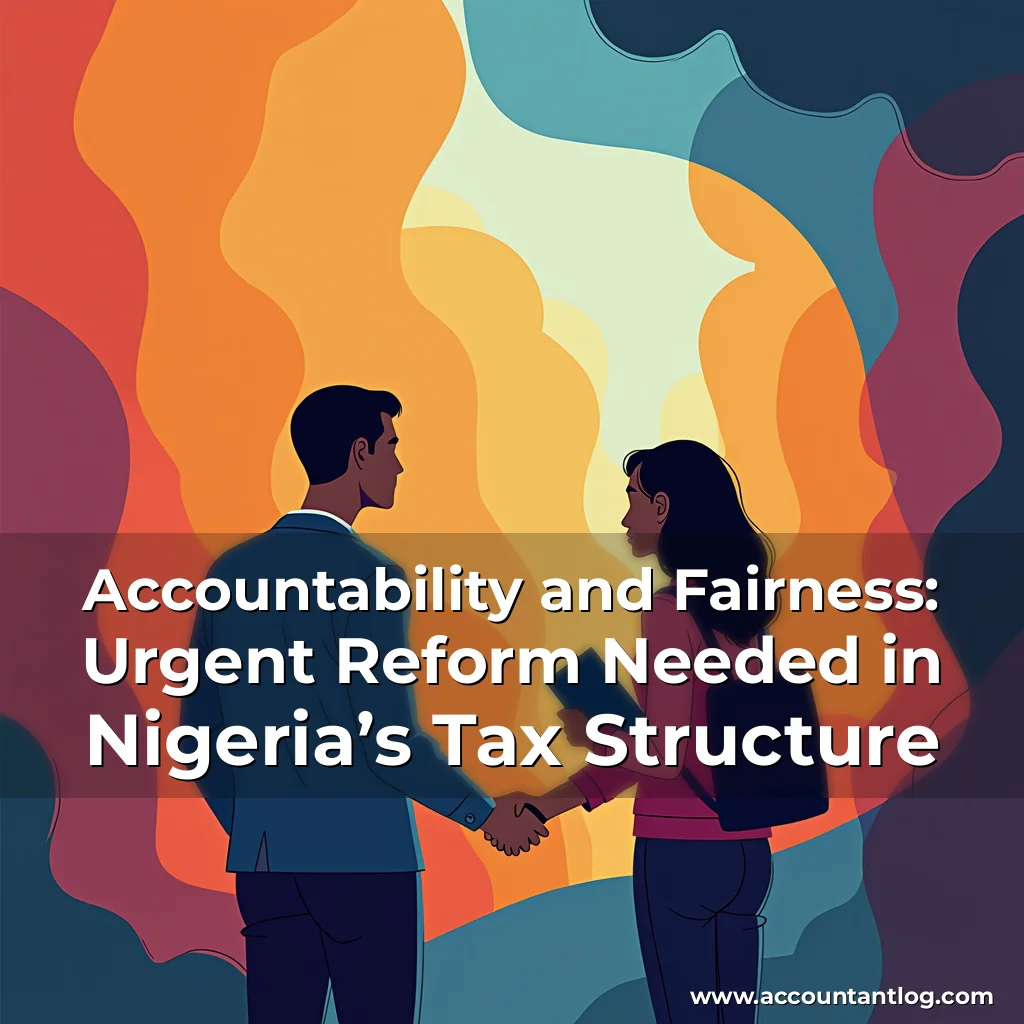
Key stakeholders in Kwara State have expressed deep concern over the current tax structure in Nigeria, saying it is stifling economic activities and alienating citizens from governance. This call for reform comes amidst a backdrop of ongoing efforts to promote tax justice and civic engagement.
Widespread Gaps in Public Awareness
Market leaders, civil society actors, and academics have identified widespread gaps in public awareness around ongoing tax reforms. According to tax consultant Mr. Falana Olaropo, clear communication and signage are crucial to explain how tax revenues are used. This lack of transparency can lead to mistrust and undermine public confidence in the tax system.
- Effective communication is key to promoting tax justice and civic engagement.
- The need for clear explanations of tax revenue utilization is critical to building trust in the system.
- Market leaders, civil society actors, and academics must work together to promote public awareness and understanding of tax reform efforts.
The Role of Civil Society Organizations
Civil society organizations play a vital role in advancing fiscal justice and promoting tax reform. Associate Professor Ruth Abiola Adimula led a discussion on civic responsibility and tax justice, highlighting the importance of active participation by citizens in the tax system.
“Tax justice is not just about paying taxes, it’s about ensuring that the tax system serves the public interest.
Key recommendations from the discussion included the need for regular civic engagement, citizen-friendly tax policies, and stronger oversight of tax administrations.
Excessive Taxation and its Consequences
The current tax structure has been criticized for being burdensome and disjointed. Market leaders, civil society actors, and academics have highlighted the negative consequences of excessive taxation, including school dropouts and increased cases of gender-based violence.
- The current tax structure is stifling economic activities and alienating citizens from governance.
- Excessive taxation can lead to social issues such as school dropouts and gender-based violence.
- A harmonised system is needed to reduce the burden of dealing with multiple tax agents.
Harmonized Tax System
A harmonized tax system where the Federal Government collects a single, cumulative tax and redistributes it proportionately can reduce the burden of dealing with multiple agents at different levels of government.
- A single, cumulative tax can simplify the tax system and reduce ambiguity.
- Proportional redistribution of tax revenue can ensure that the benefits of taxation are shared equitably.
- A harmonized system can promote public trust and confidence in the tax system.
Civic Engagement and Whistleblower Mechanisms
Civic engagement and whistleblower mechanisms are critical to promoting accountability and fairness in the tax system. Regular town hall meetings can bridge the trust gap between the government and citizens.
- Civic engagement is essential for promoting tax justice and civic engagement.
- Whistleblower mechanisms can enhance accountability and transparency in the tax system.
- Regular town hall meetings can promote public trust and confidence in the tax system.
Conclusion
Key stakeholders in Kwara State have expressed deep concern over the current tax structure in Nigeria, saying it is stifling economic activities and alienating citizens from governance. The need for urgent reform to promote accountability, fairness, and public trust is evident.

News is a contributor at Accountant Log. We are committed to providing well-researched, accurate, and valuable content to our readers.